Stepping into the world of fresh juice offerings for your business can be exhilarating. The vibrant colors, tantalizing aromas, and undeniable health benefits of freshly pressed juice are powerful magnets for today’s health-conscious consumers. But to truly thrive in this competitive market, your operation needs more than just a good recipe; it needs the Best Commercial Juicer Machine, a workhorse designed for unwavering performance. At JuiceMaster Pro, we understand that this isn’t just about blending fruit; it’s about crafting an experience, optimizing your workflow, and ultimately, boosting your bottom line.
A commercial juicer machine isn’t your average kitchen gadget. Unlike its domestic counterparts, a professional-grade unit is engineered for the relentless demands of high-volume output, continuous operation, and long-term durability. It’s built to process crates of produce day in and day out without faltering, overheating, or breaking down. We’re talking about robust construction, often stainless steel, coupled with heavy-duty motors that can run for extended periods, making it a cornerstone for any juice bar, cafe, restaurant, or health club looking to serve fresh, quality beverages.
The Heart of Your Juice Business: Understanding Commercial Juicer Types
Choosing the right commercial juicer is like selecting the right core ingredient for a signature blend—it dictates the final product and overall success. There are several primary types, each with its unique mechanism and ideal use case.
Centrifugal Juicers: The Speed Demons
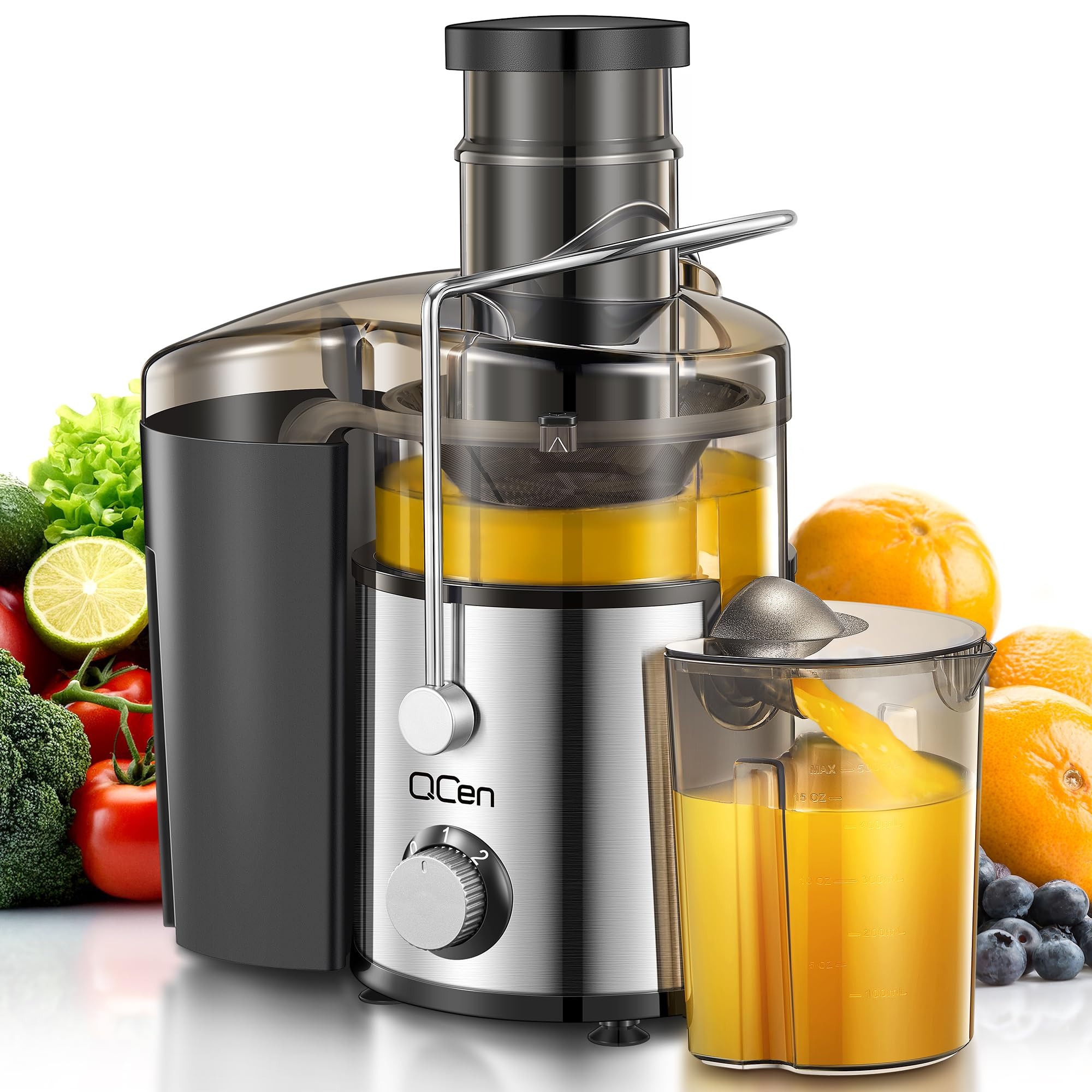
Think speed and efficiency, and you’re thinking centrifugal juicers. These machines use a flat spinning blade to rapidly shred produce, then fling the pulp against a fine mesh screen at high speeds. The centrifugal force separates the juice from the pulp, making for quick extraction.
- How They Work: Produce meets a fast-spinning blade, then juice is separated from pulp by centrifugal force. Motors typically run between 1,000-3,000 RPM.
- Best For: Hard fruits and vegetables like apples, carrots, and beets. Ideal for busy cafes and quick-service environments where speed is paramount and juice is consumed immediately.
- Pros: Exceptionally fast juicing, capable of high volume in short periods, often more budget-friendly as an initial investment, relatively easy to clean with removable parts.
- Cons: High-speed operation generates heat, which can lead to oxidation, potentially reducing nutrient content and shortening juice shelf life. They can also be quite noisy and are less effective with leafy greens.
Masticating Juicers (Cold Press / Slow Juicers): The Nutrient Guardians
If preserving every last nutrient and enzyme is your priority, masticating juicers are your champions. Often referred to as cold press or slow juicers, these machines operate at significantly lower speeds, gently crushing and pressing produce.
- How They Work: A single or twin auger slowly grinds and squeezes fruits and vegetables, extracting juice with minimal heat and oxidation. RPMs typically range from 40-100.
- Best For: Leafy greens (kale, spinach, wheatgrass), soft fruits, and anything where maximum nutrient retention and longer shelf life are crucial. Perfect for high-end juice bars or businesses bottling juices.
- Pros: Superior juice quality with high nutrient and enzyme retention, higher yield (drier pulp means more juice from less produce), significantly quieter operation, and extended shelf life for the juice due to reduced oxidation.
- Cons: Slower processing times, generally a higher upfront cost.
Triturating Juicers (Twin-Gear): The Extraction Masters
Considered a sub-category of masticating juicers, triturating (or twin-gear) juicers take gentle extraction to the next level. They feature two interlocking gears that rotate inward, grinding and crushing produce with extreme efficiency.
- How They Work: Dual gears meticulously crush and press produce.
- Best For: Maximum juice yield and the highest nutritional value. Excellent for a wide range of produce, including fibrous greens, and can often be used for making nut butters or sorbets.
- Pros: Unparalleled juice yield and nutrient preservation, versatile functionality.
- Cons: The slowest and often the most expensive option, can be more complex to clean.
Citrus Juicers: The Zesty Specialists
Sometimes, your menu calls for a dedicated citrus solution. Commercial citrus juicers are designed exclusively for oranges, lemons, limes, and grapefruits.
- How They Work: Manual or electric reamers quickly extract juice from halved citrus fruits. Some advanced models feature automatic feeding systems.
- Best For: Bars for cocktails, cafes with high demand for fresh orange juice or lemonade.
- Pros: Highly efficient for citrus, produces sweet juice without the bitter rind taste, typically inexpensive (manual versions).
- Cons: Limited to citrus fruits only.
Navigating Your Options: Key Features to Consider
Selecting the best commercial juicer machine is a strategic decision that impacts your daily operations and long-term profitability. Here’s what our experts at JuiceMaster Pro advise you to look for:
1. Juice Yield and Quality
This is often the top consideration. Cold press juicers, while slower, offer a significantly higher yield and superior juice quality with minimal oxidation, meaning more vibrant taste and longer shelf life. For businesses that bottle juice or prioritize nutritional value, this is non-negotiable. Centrifugal juicers prioritize speed, ideal for on-demand service where immediate consumption is expected.
2. Capacity and Volume
How much juice do you need to produce daily or during peak hours?
- Low Volume (1-2 gallons/hour): Small electric citrus juicers or compact centrifugal models might suffice for cafes with occasional juice demand.
- Medium Volume (2-5 gallons/hour): Versatile centrifugal or masticating juicers that can handle mixed produce.
- High Volume (5+ gallons/hour): Large, continuous-feed centrifugal or heavy-duty cold press machines are essential for busy juice bars and production kitchens. Models like the Zumex are renowned for processing dozens of fruits per minute.
3. Motor Power and Durability
Commercial juicers are an investment. Look for machines with powerful, heavy-duty motors (800-1000 watts or more) designed for continuous operation without overheating. Stainless steel construction ensures hygiene and longevity, resisting the wear and tear of a busy commercial environment.
4. Ease of Cleaning and Maintenance
Time is money in any business. Juicers with easily detachable, dishwasher-safe components can save hours in labor. Complex designs with numerous small parts can significantly increase cleaning time. Consider models that offer simple assembly and disassembly.
5. Feed Chute Size
A wide feed chute is a game-changer. It allows you to juice whole fruits and large vegetable chunks, drastically reducing preparation time and speeding up your workflow.
6. Noise Level
If your juicer will be in a customer-facing area, noise is a critical factor. Masticating juicers are significantly quieter than their high-speed centrifugal counterparts, creating a more pleasant atmosphere for your patrons.
7. Footprint and Size
Counter space is prime real estate. Measure your available area and consider if a vertical or horizontal design best fits your layout. While powerful machines tend to be larger, compact commercial options exist for smaller establishments.
8. Budget and Return on Investment (ROI)
Don’t just look at the purchase price. A cheaper machine with lower yield might cost you more in wasted produce over time than a more expensive, high-yield model. Calculate the total cost of ownership, including operational costs, energy efficiency, and the revenue generation potential from superior juice quality and increased production.
9. Safety Features and Certifications
Always prioritize NSF-certified models, which ensure food safety and compliance with health regulations. Look for features like overload protection and automatic shut-off to protect both your equipment and your staff.
The JuiceMaster Pro Edge: Benefits Beyond the Blend
Investing in the right commercial juicer is more than just a purchase; it’s a strategic move that can dramatically enhance your business.
- Increased Juice Production & Operational Efficiency: Designed for speed and volume, commercial juicers streamline your workflow, allowing staff to serve customers quickly and reduce wait times, especially during peak hours. High-capacity models can produce hundreds of gallons of juice in an hour, far beyond what any home juicer can achieve.
- Enhanced Juice Quality: Especially with cold press technology, you can offer superior-tasting, nutrient-rich juices that retain more vitamins, minerals, and enzymes. This aligns your brand with wellness trends and can command premium pricing.
- Reduced Labor Costs: Features like automated pulp removal systems and easily detachable components simplify the juicing process, requiring less manual labor and freeing up your staff for other tasks. Efficient cleaning also minimizes costly downtime.
- Menu Versatility and Innovation: A powerful commercial juicer allows you to go beyond basic orange and apple juice. Create signature blends, seasonal specials, detox shots, and vibrant wellness concoctions, expanding your menu and attracting a wider customer base.
- Customer Satisfaction & Loyalty: Consistent quality and quick service keep customers coming back. Offering fresh, healthy options fosters a positive brand image and builds loyalty.
Usage and Maintenance: Keeping Your Machine in Top Shape
Just like any high-performance equipment, your commercial juicer needs proper care to deliver consistent results.
- Preparation is Key: Always wash and, if necessary, peel or cut produce according to your juicer’s specifications. Remove large seeds or pits to prevent damage.
- Daily Cleaning: For most commercial juicers, daily cleaning involves disassembling removable parts and washing them thoroughly with warm, soapy water. Many parts are dishwasher safe.
- Deep Cleaning and Sanitization: Schedule regular deep cleans (e.g., weekly) to ensure all nooks and crannies are free of residue and to sanitize components, especially those that contact juice or pulp.
- Regular Inspection: Periodically check for wear and tear on blades, strainers, seals, and other moving parts. Replace worn components promptly to maintain efficiency and prevent larger issues.
- Troubleshooting: Familiarize yourself with common issues (e.g., clogs, unusual noises) and basic troubleshooting steps outlined in your juicer’s manual.
Our Expert Speaks: A Word from Dr. Anya Sharma, Lead Strategist at JuiceMaster Pro
“At JuiceMaster Pro, we believe the right commercial juicer is more than just an appliance; it’s a silent partner in your business’s success,” says Dr. Anya Sharma. “When advising clients, I always emphasize looking beyond just the initial cost. Consider the long-term value: how much juice you extract per pound of produce, how much labor you save on prep and cleaning, and the quality you deliver to your customers. A cold press juicer, for instance, might have a higher upfront cost, but its superior yield and juice quality can significantly enhance your profitability and customer loyalty over time. It’s about making a smart, informed investment in your brand’s future.”
Frequently Asked Questions About Commercial Juicer Machines
Q: What’s the main difference between a commercial and a home juicer?
A: Commercial juicers are built for high-volume, continuous operation and long-term durability, featuring heavy-duty motors and robust construction, unlike home juicers designed for occasional personal use.
Q: Which type of commercial juicer is best for leafy greens?
A: Masticating (cold press) or triturating (twin-gear) juicers are ideal for leafy greens as they operate at slower speeds, extracting more juice and preserving nutrients effectively.
Q: How often should I clean my commercial juicer?
A: Removable parts should be thoroughly cleaned daily. A more comprehensive deep clean and sanitization should be performed weekly to ensure hygiene and maintain performance.
Q: Is a cold press juicer worth the investment for a business?
A: Yes, for businesses prioritizing juice quality, nutrient retention, higher yield, and longer shelf life (especially for bottled juices), a cold press juicer is a valuable investment despite its higher initial cost.
Q: Can I use a commercial blender instead of a juicer?
A: While blenders can make pulp-rich “juice,” they do not separate pulp from liquid, resulting in a thicker consistency and potentially different nutrient profile compared to a smooth, extracted juice. For pure, pulp-free juice, a dedicated juicer is essential.
Your Journey to Juicing Excellence Starts Here
The world of fresh juice offers immense potential for your business, from enhancing customer experience to unlocking significant revenue streams. By carefully considering the types of commercial juicers available, evaluating essential features, and embracing smart operational practices, you can select a machine that not only meets your current needs but also helps JuiceMaster Pro, as your strategic partner, navigate the evolving landscape of the health and wellness industry. Invest wisely in the best commercial juicer machine, and watch your business flourish with every vibrant, delicious drop.