Hey there, health enthusiasts! Ever dreamt of waking up to a glass of vibrant, fresh juice, bursting with nutrients and flavor, all made effortlessly in your own kitchen? Well, that dream is more attainable than you think, especially with the right Best Electric Juicer Machine by your side. In a world buzzing with quick fixes and processed foods, embracing the simple, powerful act of juicing at home is a game-changer for your well-being. It’s about taking control of what goes into your body, one delicious sip at a time. This guide is your trusted companion on the journey to finding the perfect electric juicer that fits seamlessly into your lifestyle, making health and vitality a daily reality.
Understanding the Heart of Your Kitchen: What is an Electric Juicer Machine?
At its core, an electric juicer machine is a kitchen appliance designed to extract liquid from fruits, vegetables, and leafy greens, separating the juice from the fibrous pulp. While manual juicers have their charm for a quick citrus squeeze, an electric model brings unmatched efficiency, power, and convenience to the table. Think of it as your personal wellness assistant, transforming raw produce into a concentrated dose of vitamins, minerals, and enzymes with minimal effort.
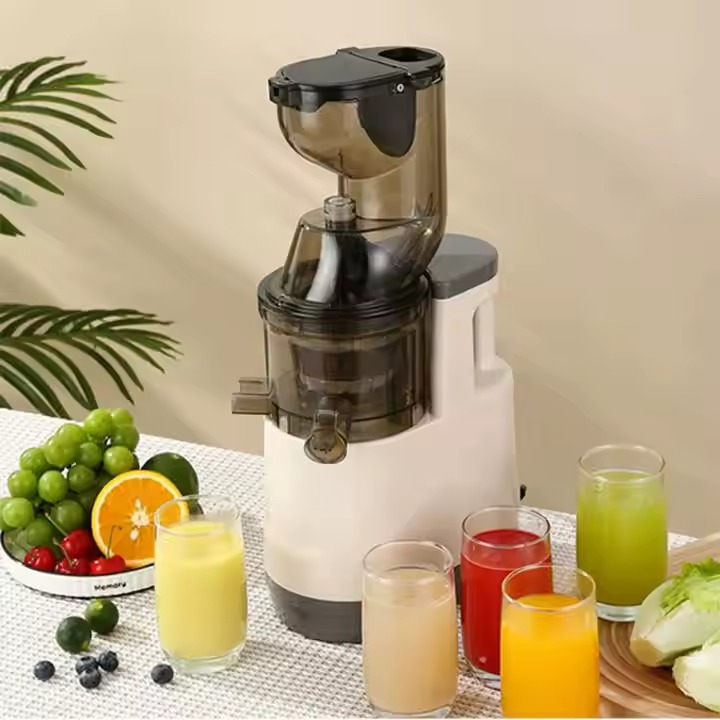
The evolution from simple hand presses to sophisticated electric machines has revolutionized how we access fresh juice. Early electric models were often bulky and loud, but today’s best electric juicer machines are sleek, powerful, and designed with user experience in mind, making healthy living more accessible than ever before. They eliminate the strenuous effort of manual juicing, allowing you to prepare larger quantities of juice faster and more consistently, saving you precious time in your busy schedule.
Exploring the Varieties: Types of Electric Juicer Machines
When you set out to find the best electric juicer machine, you’ll quickly discover there isn’t a one-size-fits-all solution. Different types excel at processing different ingredients and cater to various preferences. Understanding these distinctions is crucial for making an informed choice.
Centrifugal Juicers: The Speed Demons
These are arguably the most common and often the most budget-friendly electric juicers. Centrifugal juicers operate with a fast-spinning flat blade that shreds fruits and vegetables against a mesh filter. Centrifugal force then separates the juice from the pulp, sending the liquid out through a spout.
Pros:
- Speed: They are incredibly fast, producing a glass of juice in mere seconds. If you’re always on the go, this speed is a huge plus.
- Affordability: Generally less expensive, making them a great entry point into juicing.
- Ease of Use: Simple on/off operation and often wider feed chutes mean less pre-cutting.
Cons:
- Oxidation and Heat: The high-speed spinning generates heat and exposes the juice to more air, which can lead to oxidation. This might slightly reduce some heat-sensitive nutrients and shorten the juice’s shelf life.
- Foam: Often produce a foamy top layer on your juice.
- Less Efficient for Leafy Greens: They tend to struggle with leafy greens and wheatgrass, yielding less juice from these fibrous ingredients and producing wetter pulp.
Masticating (Slow/Cold Press) Juicers: The Nutrient Guardians
Masticating juicers, also known as slow juicers or cold press juicers, work by crushing and pressing produce slowly using an auger (a single gear). This “chewing” action gently extracts juice, minimizing heat build-up and oxidation.
Pros:
- Superior Nutrient Retention: The slow, gentle process preserves more vitamins, enzymes, and antioxidants, leading to a more nutrient-dense juice.
- Higher Juice Yield: They extract more juice from produce, especially leafy greens, wheatgrass, and soft fruits, resulting in drier pulp and less waste.
- Longer Shelf Life: Due to less oxidation, the juice can be stored in an airtight container in the fridge for up to 48-72 hours.
- Quieter Operation: Generally much quieter than centrifugal models, making them ideal for early morning juicing without disturbing the household.
- Versatility: Many models can also make nut milk, sorbets, baby food, and even pasta or nut butters with additional attachments.
Cons:
- Slower Process: They take more time to juice compared to centrifugal models.
- Higher Price Point: Typically more expensive, representing a greater upfront investment.
- More Prep Work: Often have narrower feed chutes, requiring you to chop produce into smaller pieces.
Triturating (Twin Gear) Juicers: The Professional’s Choice
These are the most advanced and usually the most expensive electric juicer machines. Triturating juicers feature two interlocking gears that grind and press produce even more thoroughly than single-auger masticating juicers.
Pros:
- Maximum Juice Yield and Nutrient Retention: They offer the highest yield and best preservation of nutrients, often making the most potent and long-lasting juice.
- Exceptional Versatility: Capable of handling almost any type of produce, including very fibrous items, and often come with a wide range of attachments for food processing.
Cons:
- Most Expensive: They come with a premium price tag.
- Slowest Operation: The process is the slowest among all types.
- Larger Footprint and Complex Assembly: Can be bulky and have more components, potentially taking up significant counter space and requiring more effort for assembly and cleaning.
Beyond the Basics: Key Features to Consider When Choosing Your Best Electric Juicer Machine
Selecting the best electric juicer machine isn’t just about choosing a type; it’s also about evaluating features that enhance your overall juicing experience.
- Feed Chute Size: A wider feed chute (3 inches or more) means less pre-cutting of fruits and vegetables, saving you valuable time. Imagine dropping in a whole apple instead of chopping it into tiny pieces!
- Speed Settings: Many electric juicers offer multiple speed settings. Lower speeds are ideal for soft fruits and leafy greens, while higher speeds are better for harder produce like carrots and beets. This versatility ensures optimal extraction for a wide range of ingredients.
- Ease of Cleaning: Let’s be honest, cleanup can be a deterrent. Look for models with dishwasher-safe parts, fewer components, and easy assembly/disassembly. Some designs feature smart cleaning brushes or larger pulp bins that simplify the process.
- Noise Level: If you’re an early bird juicer or live in a shared space, a quieter machine is a significant benefit. Masticating juicers are generally much quieter than their centrifugal counterparts.
- Size and Design: Consider your kitchen countertop space and storage options. Vertical masticating juicers often have a smaller footprint, while horizontal models can be longer. Aesthetic appeal might also play a role if your juicer will be a permanent fixture.
- Durability and Warranty: An electric juicer machine is an investment in your health. Look for reputable brands that offer robust construction and a good warranty, indicating the manufacturer’s confidence in their product’s longevity.
- Pulp Control: Some advanced masticating juicers offer interchangeable filters or adjustable pulp outlets, allowing you to customize your juice’s texture, from “less pulp” to “lots of pulp.”
- Versatility: Beyond just juicing, some machines come with attachments for making pasta, grinding coffee, mincing herbs, or even creating frozen desserts, turning your juicer into a multi-functional kitchen powerhouse.
The Power of the Press: Nutritional Value and Health Benefits of Fresh Juices
Integrating fresh, homemade juice into your daily routine using the best electric juicer machine can unlock a cascade of health benefits. Unlike store-bought juices, which are often pasteurized and loaded with added sugars and preservatives, homemade juice retains its full spectrum of live enzymes, vitamins, and minerals.
“Freshly extracted juice, especially from a slow juicer, is a powerhouse of bioavailable nutrients,” says Dr. Elara Vance, a renowned Nutritional Biochemist. “It allows your body to absorb essential vitamins and minerals almost instantly, bypassing the digestive effort required for whole foods. This makes it a fantastic tool for boosting energy, supporting detoxification, and strengthening immunity.”
The concentrated nutrients can aid in:
- Detoxification: Flooding your body with antioxidants helps cleanse and rejuvenate cells.
- Increased Energy Levels: Easily absorbed vitamins and minerals provide a natural, sustained energy boost without the jitters of caffeine.
- Enhanced Immunity: A daily dose of fresh juice, rich in Vitamin C and other immune-boosting compounds, can help ward off illness.
- Improved Digestion: Live enzymes support gut health, and the removal of insoluble fiber allows your digestive system to rest and heal.
- Weight Management: Juices can be a low-calorie, nutrient-dense way to curb cravings and increase your intake of fruits and vegetables.
Crafting Your Perfect Blend: Tips for Using and Maintaining Your Electric Juicer
Getting the most out of your electric juicer machine involves a few simple tips for both operation and care.
Preparation and Juicing Technique:
- Wash Your Produce: Always thoroughly wash all fruits and vegetables before juicing to remove dirt and pesticides.
- Cut Appropriately: Even with wide feed chutes, cutting produce into manageable pieces can improve efficiency and protect your motor. Remove pits from fruits like peaches or cherries, and peel thick-skinned items like citrus (unless you prefer a bitter rind flavor).
- Alternate Ingredients: When juicing a mix of hard and soft produce, alternate feeding them into the juicer. This helps push through softer items more effectively and can prevent clogging, especially with masticating juicers.
- Go Slow: Don’t force produce into the chute. Let the machine work at its own pace to ensure maximum extraction and prevent strain on the motor.
Cleaning and Storage:
- Clean Immediately: The golden rule of juicing is to clean your machine right after use. This prevents pulp from drying and sticking, making cleanup much easier.
- Disassemble Carefully: Follow your manual’s instructions for disassembling the parts. Most modern electric juicers are designed for easy breakdown.
- Rinse and Scrub: Rinse all removable parts under running water. Use the provided brush (if any) to scrub the mesh filter – this is often the trickiest part to clean thoroughly.
- Dishwasher-Safe Parts: If parts are dishwasher-safe, take advantage of it! Otherwise, use warm, soapy water.
- Dry Thoroughly: Ensure all components are completely dry before reassembling or storing to prevent mold or mildew.
- Proper Storage: Store your juicer in a cool, dry place. If counter space is limited, look for models with a compact design or those that can be easily stored in a cabinet.
Elevate Your Glass: Delicious Recipes and Ingredient Combinations
Now for the fun part – experimenting with flavors! The best electric juicer machine opens up a world of delicious possibilities.
- The Classic Green Machine: Combine 2 stalks of celery, 1 large cucumber, a handful of kale or spinach, 1 green apple, and a small piece of ginger. This blend is a detoxifying and invigorating powerhouse.
- Sunrise Citrus Burst: Juice 2 oranges, 1 grapefruit, and half a lemon. A zesty, Vitamin C-rich start to your day.
- Immunity Elixir: Blend 3-4 carrots, 1 apple, and a generous knob of fresh ginger and turmeric. This vibrant juice is packed with anti-inflammatory properties.
- Sweet Berry Bliss: Juice a cup of mixed berries (strawberries, blueberries, raspberries) with 1 apple and a splash of filtered water. A delightful treat that’s rich in antioxidants.
FAQ: Your Burning Questions About Electric Juicer Machines Answered
Are slow juicers really better for nutrients?
Yes, generally. Slow (masticating) juicers operate at lower speeds, which minimizes heat generation and exposure to oxygen. This process helps preserve more heat-sensitive vitamins, enzymes, and antioxidants, leading to a more nutrient-dense juice that also typically lasts longer.
How often should I clean my juicer?
You should clean your electric juicer machine immediately after every use. This prevents pulp from drying and hardening, making the cleaning process much faster and more hygienic. A quick rinse and scrub right away can save you a lot of effort later.
Can I juice frozen fruits?
Most electric juicers are not designed for frozen fruits. Frozen fruits are very hard and can damage the motor or internal components. It’s best to thaw frozen fruits before juicing, or use them in a blender for smoothies instead.
What’s the ideal speed for juicing different produce?
If your juicer has multiple speeds, use a low speed (around 40-80 RPM for masticating, or a specific “soft” setting for centrifugal) for soft fruits, leafy greens, and wheatgrass. Use a high speed (over 100 RPM for masticating, or a “hard” setting for centrifugal) for harder vegetables like carrots, beets, and apples.
Is a wider feed chute always better?
A wider feed chute certainly reduces prep time as it allows you to insert larger pieces or even whole fruits and vegetables. However, it’s not the only factor. The overall design, motor power, and juicing mechanism are equally important for effective juice extraction. Some top-performing juicers have narrower chutes but compensate with superior extraction.
How long does fresh juice last?
Fresh juice from a centrifugal juicer is best consumed immediately due to oxidation. Juice from a masticating or triturating juicer, when stored properly in an airtight container in the refrigerator, can last for 24 to 72 hours, though it’s always best to drink it as fresh as possible for maximum benefits.
Your Journey to a Healthier You Starts Here
Choosing the best electric juicer machine is more than just buying an appliance; it’s an investment in your health, vitality, and daily joy. Whether you prioritize speed, maximum nutrient retention, or versatility, there’s a perfect electric juicer out there waiting to transform your kitchen and your lifestyle. Embrace the vibrant world of fresh juice, experiment with new flavors, and feel the incredible difference it makes. Your body will thank you for it!