The demand for fresh, nutrient-rich beverages is skyrocketing, and pure carrot juice holds a special place in the hearts of health-conscious consumers. For any business aiming to capitalize on this trend, from bustling juice bars to health cafes and restaurants, investing in the right Commercial Carrot Juicer Machine is not just an option—it’s a necessity. But with so many choices, how do you pick the powerhouse that will deliver consistent quality, high yield, and enduring performance day in and day out? This guide will cut through the noise, helping you understand what truly makes a juicer commercial-grade and how to select the perfect machine to elevate your offerings.
The Heart of the Operation: Understanding Commercial Juicer Types for Carrots
When it comes to extracting that vibrant, sweet liquid gold from carrots, not all juicers are created equal. The type of commercial carrot juicer machine you choose will significantly impact your juice quality, yield, and operational efficiency.
Centrifugal Juicers: Speed Demons for High-Volume Needs
Centrifugal juicers are often the first machines that come to mind for fast-paced commercial settings. These workhorses feature a rapidly spinning blade that grates the carrots against a mesh filter, separating the juice from the pulp through centrifugal force.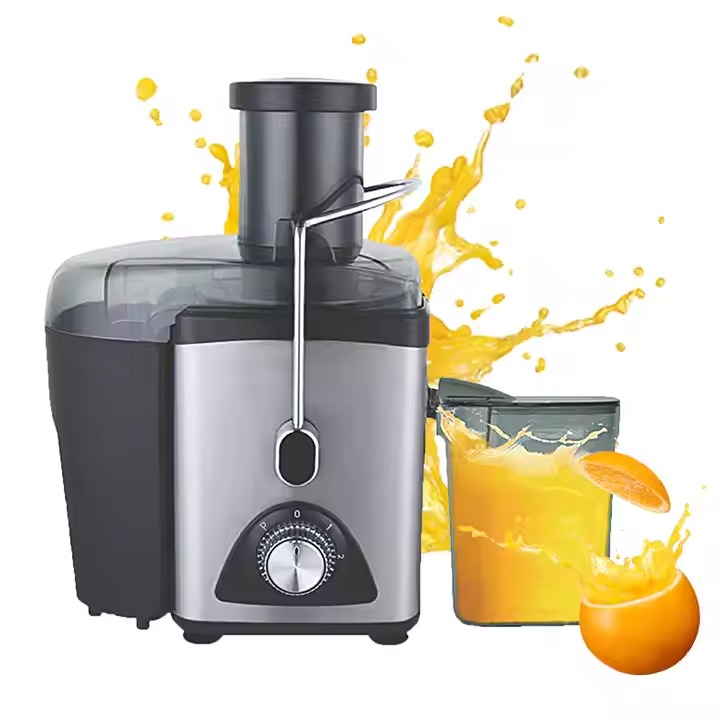
- Pros: They are exceptionally fast, making them ideal for high-volume periods where customers can’t wait. They are generally more affordable upfront, making them a good entry point for businesses. Many models come with wide feed chutes, allowing you to process whole or large pieces of carrots, significantly reducing prep time.
- Cons: The high-speed process introduces more oxygen and heat, which can lead to faster oxidation of nutrients and a shorter shelf life for the juice. They tend to be noisier and typically yield less juice than other types, resulting in wetter pulp and more waste.
- Best for: Busy cafes, breakfast spots, or establishments where speed is paramount, and immediate consumption of juice is common.
Masticating (Slow/Cold Press) Juicers: The Gold Standard for Nutrient Retention
Masticating juicers, often referred to as slow juicers or cold press juicers, operate by slowly crushing and pressing the carrots. This gentle extraction method minimizes heat and oxidation, preserving more enzymes, vitamins, and minerals. Some advanced commercial models even feature a two-stage process: grinding the produce first, then hydraulically pressing the pulp for maximum extraction. The Pure Juicer Two-Stage Juicer is a prime example, renowned for producing sediment-free carrot juice with vibrant color and minimal foam.
- Pros: They deliver significantly higher juice yields, resulting in drier pulp and less wasted produce. The juice produced has superior nutritional quality, a longer shelf life, and often a richer flavor. They operate much quieter than centrifugal models, which can be a huge benefit in a customer-facing environment.
- Cons: They are slower, meaning processing large batches of carrots can take more time. They also tend to have a higher initial investment cost.
- Best for: Premium juice bars, health food stores, and businesses prioritizing the highest quality, most nutrient-dense juice and a quieter operation. Popular models include Kuvings Whole Slow Juicers like the Revo 830W and Omega cold press juicers.
Beyond the Spin: Key Features to Look for in a Commercial Carrot Juicer Machine
Choosing a commercial carrot juicer machine isn’t just about the type; it’s about the robust features that ensure it can stand up to the rigors of daily commercial use.
What Makes a Juicer Truly Commercial Grade?
- Durability and Construction: Look for machines built with high-quality, food-grade stainless steel. This ensures longevity, resistance to corrosion from fruit acids, and easy sanitation. Commercial juicers are designed to handle continuous operation without overheating or breaking down.
- Motor Power and Performance: A powerful, heavy-duty motor (often 1/2 HP or more for centrifugal, or robust gear systems for masticating) is crucial. It ensures consistent performance, preventing the machine from bogging down when processing tough vegetables like carrots in large quantities.
- Feed Chute Size: One of the biggest time-savers in a busy kitchen is a wide feed chute. This allows staff to load whole carrots or large chunks, drastically reducing pre-cutting time and speeding up the juicing process.
- Continuous Operation Capability: Unlike home juicers, a true commercial machine is engineered for non-stop, heavy-duty use for hours on end, without needing cool-down periods.
- Pulp Ejection System: An efficient external or large-capacity internal pulp ejection system is vital. It allows for continuous juicing without stopping to empty the pulp container, maintaining workflow and efficiency.
- Noise Level: In an open-concept juice bar or cafe, a noisy juicer can detract from the customer experience. Masticating juicers are generally quieter, but some centrifugal models also offer reduced noise levels.
- Safety Features: Automatic shut-off mechanisms and secure locking arms are essential for operator safety, preventing accidents during busy shifts.
Choosing the Right Fit for Your Business
Selecting your ideal commercial carrot juicer machine involves balancing several practical considerations:
- Business Volume: If you anticipate serving hundreds of carrot juices daily, speed and a large pulp capacity are critical. If you focus on premium, cold-pressed juice for smaller, discerning clientele, yield and nutrient preservation take precedence.
- Budget: Commercial juicers represent a significant investment. Establish a budget, but remember that a cheaper machine that frequently breaks down or offers poor yield will cost more in the long run due due to repair costs, wasted produce, and lost sales.
- Desired Juice Quality: Do your customers expect the fastest juice possible, or are they willing to wait a little longer for a superior, nutrient-dense product? Your brand promise should align with your juicer’s capabilities.
- Staff Training and Ease of Use: Machines that are straightforward to assemble, operate, and clean will reduce training time and increase operational efficiency.
Juicing Success: Using and Maintaining Your Commercial Carrot Juicer Machine
Even the best commercial carrot juicer machine needs proper handling and care to perform optimally and last for years.
How to Maximize Your Carrot Juice Yield and Quality
- Preparation is Key: Always wash carrots thoroughly. For organic carrots, peeling might be optional, retaining extra nutrients. For conventional carrots, peeling can remove surface impurities and waxes.
- Steady Feeding Technique: Avoid overloading the feed chute. A steady, even pace allows the juicer to process the carrots efficiently, preventing motor strain and ensuring maximum juice extraction.
- Optimal Settings: If your commercial juicer has variable speed settings, experiment to find the optimal speed for carrots. Slower speeds often work best for masticating juicers to maximize yield, while centrifugal juicers are typically run at high speed.
Keeping Your Machine Running Smoothly: Essential Cleaning and Maintenance Tips
“In my years running ‘Sunrise Sips’ juice bar, I’ve learned that a great commercial carrot juicer machine isn’t just about speed; it’s about the consistent quality it delivers, glass after glass. Our customers can taste the difference when the juice is extracted properly and quickly,” says Eliza Vance, a veteran juice bar owner.
Immediate and thorough cleaning is non-negotiable for commercial juicers.
- Disassemble Immediately: As soon as juicing is complete, unplug the machine and disassemble all removable parts. Carrot pulp can dry and stick quickly, making it much harder to clean later.
- Rinse Thoroughly: Rinse all components under warm running water to remove loose pulp. Use a brush (often provided with the juicer) to scrub mesh screens and small crevices.
- Wash with Soap: Wash all removable parts with warm, soapy water. Ensure all residue is removed, especially from the cutting blade (for centrifugal) or auger (for masticating).
- Sanitize (if required): For commercial establishments, follow local health codes regarding sanitization. This may involve using a food-safe sanitizing solution.
- Dry Completely: Allow all parts to air dry completely before reassembling or storing. This prevents mold and mildew growth.
- Regular Checks: Periodically inspect blades, augers, gaskets, and seals for wear and tear. Replace worn parts promptly to maintain performance and prevent leaks.
The Golden Glow: Nutritional Value and Health Benefits of Carrot Juice
Fresh carrot juice is more than just a delicious beverage; it’s a powerhouse of nutrition that adds immense value to your commercial offerings. Carrots are particularly rich in:
- Vitamin A (Beta-carotene): A potent antioxidant, crucial for vision, immune function, and skin health.
- Antioxidants: Beyond beta-carotene, carrots contain other antioxidants that help combat oxidative stress in the body.
- Vitamin K: Essential for blood clotting and bone health.
- Potassium: An important electrolyte that supports blood pressure regulation and fluid balance.
Offering fresh carrot juice allows your business to tap into the health and wellness market, providing customers with a convenient and delicious way to boost their nutrient intake.
Crafting Your Menu: Delicious Carrot Juice Combinations and Recipes for Commercial Scale
A versatile commercial carrot juicer machine enables you to offer a range of exciting options beyond just pure carrot juice.
- The Classic Pure Carrot: Simple, sweet, and undeniably fresh. A staple for any juice bar.
- Carrot-Apple Zing: A timeless blend that balances the earthiness of carrots with the crisp sweetness of apples. Add a hint of ginger for an extra kick.
- Citrus Burst: Combine carrots with oranges and a splash of lemon for a bright, tangy, and vitamin C-packed concoction.
- Green & Gold: Blend carrots with leafy greens like kale or spinach, and a touch of cucumber for a nutrient-dense, detoxifying option.
- Tropical Twist: Introduce pineapple or mango alongside carrots for an exotic and refreshing juice.
For commercial scale, always measure ingredients consistently to ensure product uniformity. Consider batch juicing larger quantities during off-peak hours to meet demand efficiently.
Unlocking Potential: Expert Insights on Commercial Carrot Juicing
“For high-volume operations focused on carrots, I always recommend looking for machines with robust motors and wide feed chutes. It drastically cuts down prep time and prevents motor strain, a common issue with less powerful commercial juicers,” advises Dr. Ben Carter, a food service equipment consultant.
Frequently Asked Questions About Commercial Carrot Juicers
How much does a good commercial carrot juicer machine cost?
The price of a commercial carrot juicer machine can vary widely, ranging from around $200 for basic, smaller commercial-grade models to over $1,000 for high-end, heavy-duty cold press or two-stage juicers. The cost depends on the type, brand, motor power, durability, and features.
What’s the difference between cold press and centrifugal for carrots commercially?
Commercially, cold press (masticating) juicers extract juice by slowly pressing, minimizing heat and oxidation, leading to higher yield, more nutrients, longer shelf life, and quieter operation. Centrifugal juicers use fast-spinning blades, offering speed and affordability but with lower yield, more oxidation, and higher noise.
How often should I clean my commercial juicer?
A commercial carrot juicer machine should be thoroughly cleaned and sanitized after each use or at least every four hours during continuous operation, following strict food safety guidelines. Immediate rinsing after juicing helps prevent pulp from drying and sticking.
Can a commercial carrot juicer handle other vegetables?
Yes, most commercial carrot juicer machines are designed to handle a wide range of fruits and vegetables. Masticating juicers are particularly versatile for leafy greens and fibrous vegetables, while centrifugal juicers excel with harder produce like apples and carrots.
What are the best brands for commercial carrot juicers?
Top brands for commercial carrot juicer machines known for durability and performance include Omega, Kuvings, Pure Juicer, Robot Coupe, Ceado, and Zummo. The “best” brand often depends on your specific needs, budget, and the type of juicer you prefer.
The journey to offering exceptional fresh carrot juice starts with the right commercial carrot juicer machine. By understanding the different types, prioritizing key features like durability and efficiency, and committing to proper maintenance, you can ensure your investment pays dividends. Elevate your business, delight your customers, and join the thriving fresh juice market with confidence. Choose a machine that not only extracts juice but also extracts maximum value for your business.