In today’s vibrant health-conscious market, the demand for fresh, nutrient-dense juice is skyrocketing. For any business, from bustling juice bars to chic cafes and innovative grocery stores, a Commercial Cold Press Juicer Machine isn’t just an appliance; it’s a strategic investment, a statement of quality, and a cornerstone for success. It’s the secret weapon that elevates your beverage offerings, setting you apart in a competitive landscape where freshness and nutrition reign supreme. Choosing the right equipment can redefine your brand and captivate your customers with every delicious, wholesome sip.
What Exactly is a Commercial Cold Press Juicer Machine?
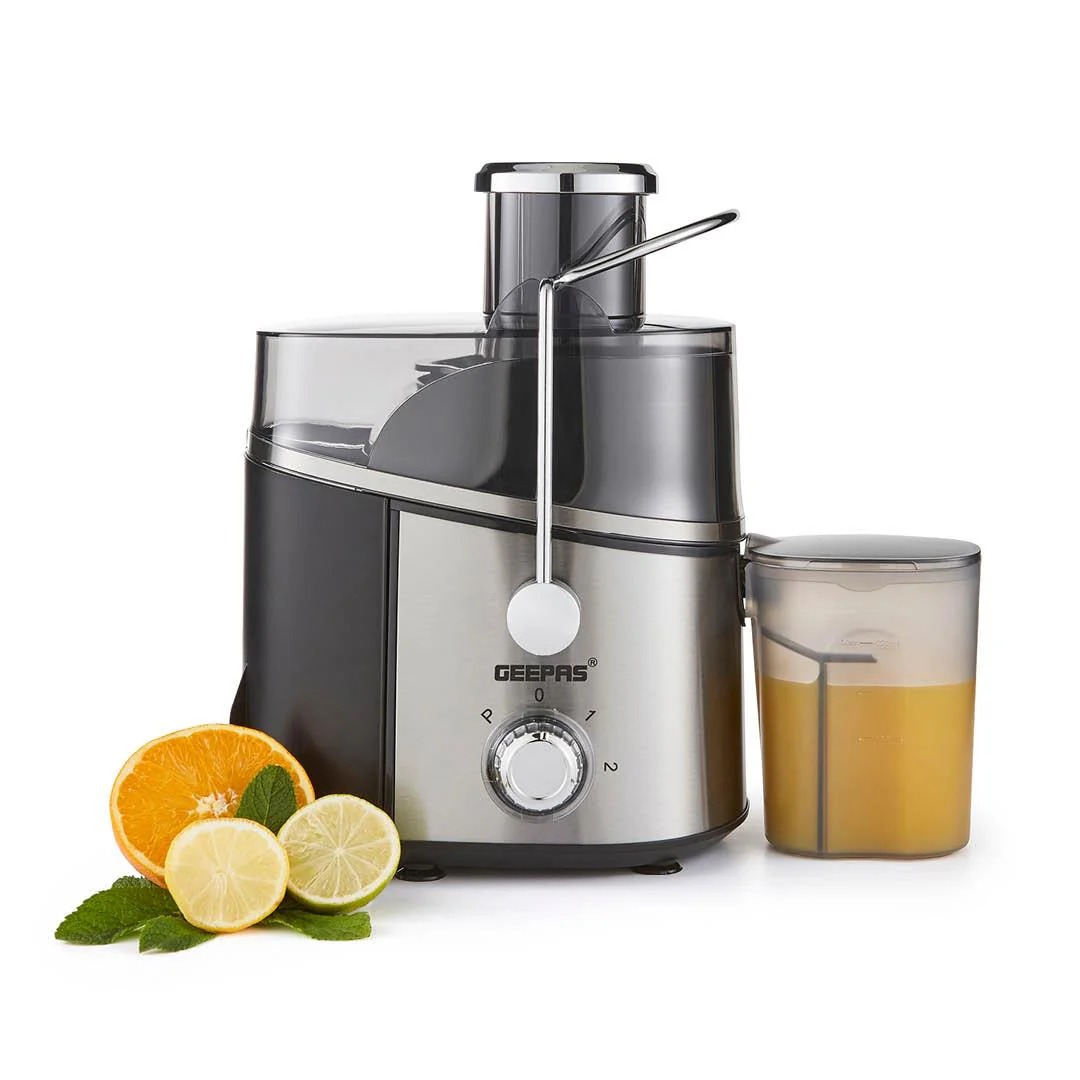
At its heart, a commercial cold press juicer operates on a principle designed to preserve the very essence of your fruits and vegetables. Unlike traditional centrifugal juicers that use high-speed spinning blades, generating heat and introducing oxidation, a cold press machine works slowly and methodically. It first grinds or “masticates” the produce into a fine pulp, then applies immense hydraulic pressure to squeeze out every drop of liquid goodness. This gentle, two-stage process minimizes heat exposure and air incorporation, safeguarding delicate enzymes, vitamins, and minerals that are often lost with faster methods. The result? A vibrant, flavorful, and incredibly pure juice that truly embodies the term “liquid gold.” This method is gaining traction because health-conscious consumers are increasingly aware of the difference, actively seeking out businesses that prioritize nutrient preservation.
The Unrivaled Advantages for Your Business
Investing in a commercial cold press juicer offers a cascade of benefits that can profoundly impact your bottom line and customer loyalty.
Superior Juice Quality and Nutrient Retention
The most compelling advantage is undeniably the quality of the juice itself. By reducing heat and oxidation, cold pressing ensures a richer flavor profile, more vibrant colors, and a significantly higher concentration of beneficial enzymes and vitamins. This isn’t just a marketing claim; it’s a taste and health difference your customers will notice and appreciate, fostering a reputation for excellence.
Extended Shelf Life for Peak Freshness
One of the biggest game-changers for commercial operations is the extended shelf life. Cold-pressed juice, due to its minimal oxidation, can typically be stored refrigerated for 2-3 days without significant nutrient degradation or separation. This is invaluable for pre-bottling, creating grab-and-go options, developing juice cleanses, and managing inventory efficiently, reducing waste and increasing profitability.
Higher Yield and Unmatched Versatility
These machines are masters of extraction, boasting a higher juice yield compared to other methods. This means more juice from the same amount of produce, directly translating to cost savings. Beyond that, their powerful pressing action can handle an impressive range of ingredients – from soft fruits and hard, fibrous roots like carrots and ginger to delicate leafy greens such as kale and spinach – extracting their potent flavors and nutrients with ease.
Quiet Operation for an Inviting Atmosphere
In customer-facing environments like cafes and juice bars, noise levels matter. Commercial cold press juicers are notably quieter than their centrifugal counterparts, allowing for a more pleasant ambiance where conversations can flow without the roar of machinery. This subtle difference enhances the overall customer experience.
A Smart, Long-Term Investment
While the upfront cost for a high-quality commercial cold press juicer machine can be higher than other types, it’s an investment that pays dividends. Its durability, efficiency, and the premium quality of the juice it produces contribute to a stronger brand, increased customer satisfaction, and ultimately, a healthier revenue stream. As industry expert Dr. Evelyn Reed, a leading food science consultant, often remarks, “For businesses serious about quality and sustainability, a cold press juicer is not an expense, but an essential asset that builds trust and delivers tangible value to both the business and its clientele.”
Decoding the Mechanics: How They Work
Understanding the inner workings of a commercial cold press juicer demystifies its superior performance. The process typically unfolds in two critical stages:
- Mastication (Grinding): Raw produce is fed into a large hopper, where a powerful shredder or grinder breaks it down into a fine, moist pulp. This initial step is crucial for preparing the ingredients for maximum juice extraction.
- Hydraulic Pressing: The shredded pulp is then collected, often in specialized filter bags, and placed between two heavy plates. A robust hydraulic ram slowly but powerfully presses these plates together, squeezing every last drop of juice from the pulp. This slow, deliberate pressure ensures minimal heat generation and oxidation, preserving the juice’s nutritional integrity.
Commercial models vary in size, from compact countertop units designed for moderate output to industrial-scale machines capable of producing hundreds of gallons per hour. The engineering behind these machines prioritizes robust construction and efficient design to handle continuous, high-volume operation without faltering.
Choosing Your Champion: Key Buying Considerations
Selecting the perfect commercial cold press juicer machine requires thoughtful consideration to match your specific business needs and aspirations.
Capacity and Volume Requirements
How much juice do you need to produce daily? Commercial juicers are rated by their output, often measured in gallons or bottles per hour. Small cafes might start with a model producing 5-10 gallons, while large-scale operations or bottled juice brands may require machines capable of hundreds of gallons. Accurately assessing your volume ensures you invest in a machine that can keep up with demand without overworking.
Durability and Construction Materials
These machines are workhorses, so durability is paramount. Look for models constructed from heavy-duty, food-grade stainless steel for components that come into contact with juice and pulp. Robust construction ensures longevity, withstands constant use, and makes cleaning easier. A well-built machine is a long-term asset, minimizing downtime and repair costs.
NSF Certification: A Mark of Trust
For any food service operation in many regions, NSF certification is non-negotiable. This certification ensures the equipment meets stringent public health and safety standards, including being made from food-safe materials and designed for easy cleaning. It’s a critical stamp of approval that assures both regulators and customers of your commitment to hygiene and safety.
Feed Chute Size and Preparation Efficiency
The size of the feed chute directly impacts your preparation time. Wider chutes allow you to load larger pieces of fruit and vegetables, or even whole items, reducing the need for extensive pre-chopping. This can significantly streamline your workflow, especially during peak hours.
Ease of Cleaning and Maintenance
In a busy commercial kitchen, time is money. Opt for machines with parts that are easy to disassemble, clean, and reassemble. While some parts may not be dishwasher-safe, those that are can simplify your routine. A machine that’s hard to clean can lead to build-up, hygiene issues, and decreased efficiency over time.
Footprint and Kitchen Layout
Consider the physical size of the juicer relative to your available counter or floor space. Some commercial cold press juicers are quite large, so ensure it integrates seamlessly into your kitchen layout without hindering other operations.
Budget: Upfront Cost vs. Long-Term Value
While commercial cold press juicers generally have a higher initial cost, focus on the long-term return on investment (ROI). Their superior juice quality, higher yield, and durability often lead to greater profitability and reduced ingredient waste over time, making them a wise financial decision for dedicated juice businesses.
Keeping Your Machine Peak-Performing: Usage and Maintenance Essentials
Just like any high-performance equipment, a commercial cold press juicer machine thrives on consistent care. Adhering to a strict usage and maintenance schedule is not just about extending its lifespan; it’s about guaranteeing consistent juice quality, preventing costly breakdowns, and maintaining impeccable hygiene standards.
Daily Cleaning Routine
After every juicing session, a quick yet thorough clean is essential.
- Safety First: Always, always turn off and unplug your machine before beginning any cleaning or maintenance. This is paramount to preventing accidents.
- Disassemble: Carefully remove all detachable parts, following your manufacturer’s instructions.
- Rinse Immediately: Rinse all parts under warm running water to remove fresh pulp and juice residue before it dries and hardens.
- Brush Cleaning: Use the specialized cleaning brush (often included with the juicer) to scrub mesh screens and any hard-to-reach crevices where pulp can accumulate. This prevents clogging and odors.
Weekly Deep Clean
Once a week, give your machine a more comprehensive spa treatment:
- Soak: Submerge removable parts in a mixture of warm water and a mild, food-safe detergent for about 15-20 minutes. This helps loosen any stubborn residue or stains.
- Thorough Scrubbing: Focus on the mesh screens, feed chute, and juice outlet, ensuring all pulp and juice particles are completely removed. For tough stains from ingredients like beets or turmeric, a mixture of white vinegar and water can work wonders.
- Air Dry: Allow all parts to air dry completely before reassembling or storing. Moisture can lead to mold or mildew growth.
Monthly Checks and Preventative Maintenance
Beyond daily and weekly cleaning, regular inspections can head off potential issues:
- Check Bolts and Screws: Vibrations from operation can loosen bolts, especially on guide blocks, cylinder bolts, and the shredder’s bail latch. Inspect and gently tighten them monthly, but avoid overtightening.
- Inspect for Wear and Tear: Regularly check components like blades, press bags, and press racks for signs of wear, cracks, or dullness. Follow manufacturer guidelines for replacement, as worn parts can affect efficiency and yield. For instance, grinder blades may need replacing every 1-3 months, and press bags every 2-4 months, depending on usage.
- Monitor Performance: Pay attention to any changes in noise, extraction efficiency, or juice quality. Addressing minor issues promptly can prevent them from escalating into major repairs.
By embedding these practices into your operational routine, you ensure your commercial cold press juicer machine remains a reliable and productive asset for years to come.
Crafting Your Menu: Ingredient Combinations and Recipes for Success
The versatility of a commercial cold press juicer unlocks a world of creative possibilities for your menu, allowing you to offer an expansive range of fresh, tantalizing beverages that cater to diverse tastes and health goals. From revitalizing green detoxes to vibrant fruit blends and earthy root concoctions, the purity of cold-pressed juice provides an unparalleled base.
Consider some popular and profit-driving combinations:
- The Green Goddess: Kale, spinach, cucumber, celery, green apple, lemon, and a hint of ginger. A potent detoxifier and energy booster.
- Tropical Sunrise: Pineapple, orange, mango, and a touch of passion fruit. Sweet, tangy, and invigorating.
- Root Revival: Carrot, beet, apple, ginger, and turmeric. Earthy, rich, and packed with anti-inflammatory properties.
- Citrus Burst: A simple yet potent blend of oranges, grapefruits, and lemons, perfect for a refreshing kick.
Encourage your team to experiment with seasonal produce to keep your menu fresh and exciting, highlighting local flavors. The rich, unadulterated flavor of cold-pressed juice truly makes every ingredient shine, allowing for complex and satisfying beverage creations that customers will seek out.
FAQ: Your Top Questions About Commercial Cold Press Juicers
What is the main difference between a commercial cold press juicer and a centrifugal juicer?
The key difference lies in their operation and resulting juice quality. Centrifugal juicers use high-speed spinning blades that generate heat and introduce air, leading to quicker oxidation, reduced nutrient content, and a shorter shelf life for the juice. Commercial cold press juicers, on the other hand, slowly crush and then press ingredients, minimizing heat and oxidation, preserving more nutrients, enzymes, and yielding a longer-lasting, superior-quality juice.
How long does cold-pressed juice last?
Thanks to the minimal oxidation during the extraction process, properly stored cold-pressed juice can typically maintain its nutritional integrity and fresh taste for 2 to 3 days when refrigerated. This extended shelf life is a significant advantage for businesses planning bottled juice programs or grab-and-go options.
Are commercial cold press juicers difficult to clean?
While commercial cold press juicers have multiple parts, they are generally designed for ease of disassembly and cleaning to meet commercial hygiene standards. Most require daily rinsing of removable parts and a weekly deep clean involving soaking and scrubbing. The ease of cleaning is a key factor to consider during purchase.
What should I look for in a durable commercial cold press juicer?
Durability is crucial for commercial use. Look for machines made with heavy-duty, food-grade stainless steel components. NSF certification is a strong indicator of robust construction and compliance with health and safety standards. A well-built machine will withstand continuous operation and last for years, making the initial investment worthwhile.
Is the high cost of a commercial cold press juicer worth it for a business?
For businesses prioritizing juice quality, nutrient retention, extended shelf life, and higher yield, the investment in a commercial cold press juicer is highly justified. While the upfront cost is higher, the ability to produce premium products, reduce waste, and build a reputation for quality often leads to a significant return on investment through increased customer loyalty and profitability.
Embrace the Future of Juicing with JuiceMaster Pro
The commercial cold press juicer machine stands as a testament to the evolving demands of the health and wellness industry. It’s more than just a piece of equipment; it’s a commitment to quality, nutrition, and an unparalleled customer experience. By understanding its benefits, mechanics, and maintenance, you equip your business to thrive in a competitive market.
At JuiceMaster Pro, we believe in empowering businesses to lead with innovation. Our vision is to ensure our partners always remain at the forefront of technology, user experience, and product development in the juicing industry. We encourage you to explore the transformative potential of a commercial cold press juicer for your establishment. Invest in quality, embrace the future of fresh juice, and watch your business flourish. Your customers deserve the best, and a JuiceMaster Pro commercial cold press juicer is how you deliver it.