There’s a quiet revolution happening in kitchens around the world, transforming daily routines and boosting vitality. It’s powered by the humble, yet incredibly potent, Fruit And Vegetable Juicer Machine. For many, this appliance isn’t just another gadget; it’s a gateway to a vibrant lifestyle, offering a direct, delicious route to concentrated nutrition and a renewed sense of well-being. As advocates for a healthier, more energized world, we at JuiceMaster Pro believe that every sip of fresh juice should be an experience in itself – effortless, nourishing, and utterly delightful.
The Journey of Juice: From Ancient Remedies to Modern Innovation
The concept of extracting liquid from fruits and vegetables is far from new. Ancient civilizations recognized the potent health benefits of plant elixirs, often using rudimentary presses to create medicinal tonics. Fast forward to today, and the fruit and vegetable juicer machine has evolved into a marvel of modern engineering, meticulously designed to unlock the nutritional powerhouses hidden within nature’s bounty. This journey reflects humanity’s continuous quest for wellness, culminating in appliances that seamlessly integrate into our busy lives, making daily doses of goodness more accessible than ever.
Demystifying Your Fruit and Vegetable Juicer Machine: Types and How They Work
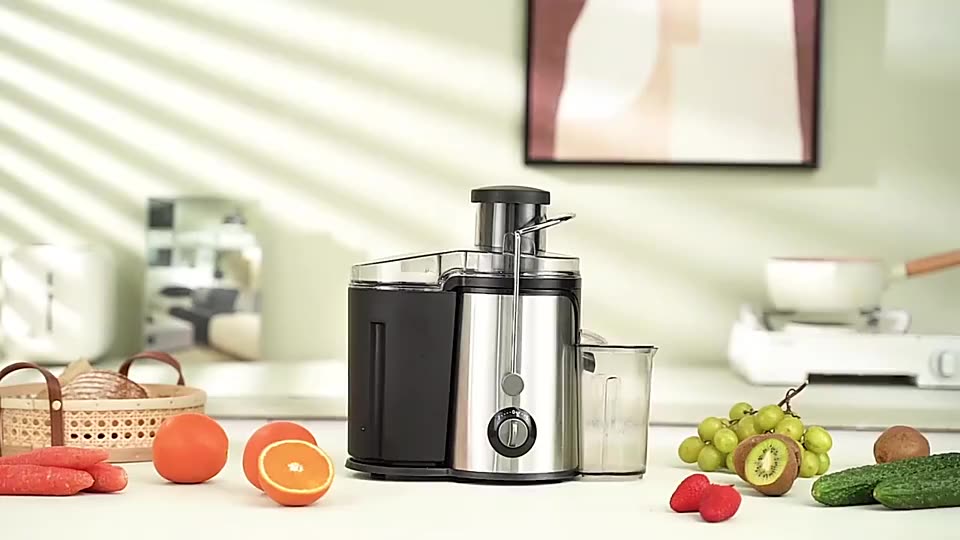
Navigating the world of juicers can feel a bit like learning a new language. But don’t fret! Understanding the main types of fruit and vegetable juicer machines will empower you to choose the perfect partner for your wellness goals. Each type has its own unique charm and operational principles, influencing everything from juice quality to preparation time.
Centrifugal Juicers: The Speed Demons
Imagine a whirlwind in your kitchen, and you’ve got a centrifugal juicer. These popular machines utilize a rapidly spinning metal blade that shreds produce into a pulp, then uses centrifugal force to separate the juice from the fiber.
- Pros: They are typically the most budget-friendly option and incredibly fast, making them ideal for quick morning juices. They handle harder fruits and vegetables like apples and carrots with ease.
- Cons: The high-speed operation introduces more heat and air (oxidation), which can degrade some heat-sensitive nutrients and lead to foamier juice that separates quicker. They are also known for being quite noisy, sometimes likened to power tools. Leafy greens often yield less juice in these machines.
Masticating (Slow) Juicers: The Nutrient Nurturers
Often referred to as “cold press” juicers, masticating machines take a more gentle approach. They use a slow-rotating auger (a corkscrew-like mechanism) to crush and press fruits and vegetables against a strainer, squeezing out the juice.
- Pros: This slower, gentler process minimizes heat and oxidation, preserving more enzymes, vitamins, and minerals, resulting in a higher quality, nutrient-dense juice. They are excellent at extracting juice from leafy greens, herbs, and wheatgrass, and generally produce a higher yield with drier pulp. Plus, they operate much more quietly than centrifugal models. The juice also tends to last longer, up to 48-72 hours when refrigerated.
- Cons: Masticating juicers are typically more expensive and operate at a slower pace, requiring more time for juicing. Some models may require more intricate cleaning or smaller produce prep.
Triturating (Twin Gear) Juicers: The Extraction Experts
For the ultimate juicing enthusiast, twin gear juicers are the pinnacle of extraction technology. These machines feature two interlocking gears that grind and press produce with incredible efficiency.
- Pros: They boast the highest juice yield and the best nutrient preservation due to their thorough crushing action. They are particularly effective for fibrous greens and wheatgrass.
- Cons: Twin gear juicers are the most expensive and slowest option, often larger in size, making them a significant investment and commitment.
Manual Juicers: Simple & Effective
While not designed for all fruits and vegetables, manual juicers are fantastic for citrus fruits. They are straightforward, require no electricity, and are perfect for a quick glass of orange or lemon juice.
Mastering Your Machine: Detailed Usage and Care for Your Fruit and Vegetable Juicer
To ensure your fruit and vegetable juicer machine consistently delivers peak performance and delicious, healthy concoctions, proper usage and diligent cleaning are paramount. Think of it as a partnership: you provide the care, and it provides the liquid gold.
Preparing Your Produce
Before you even plug in your juicer, a little prep goes a long way.
- Wash thoroughly: Always wash your fruits and vegetables under cold running water to remove dirt, pesticides, and debris.
- Cut to size: While many modern juicers feature wide feed chutes, some masticating models work best with smaller pieces. Remove large pits, tough seeds, and thick peels (unless your recipe calls for them, like lemon zest).
- Optimize for your juicer: For centrifugal juicers, harder produce is generally fine. For masticating juicers, alternate soft and hard produce to prevent clogging. Leafy greens should often be rolled tightly or fed in small batches.
Operating Your Juicer
The specific steps vary slightly by model, so always consult your user manual. However, the general process is straightforward:
- Assemble correctly: Ensure all parts are securely in place before turning on the machine.
- Power on: Turn on your juicer.
- Feed gradually: Slowly feed your prepared produce into the chute. Use the pusher only when necessary, avoiding excessive force.
- Collect the goodness: Watch as fresh juice flows into your pitcher and pulp is directed to its container.
- Finish Strong: Once you’re done, turn off the machine. Some slow juicers have a reverse function to help clear any blockages.
The Art of Cleaning: Keeping Your Juicer Pristine
Cleaning your fruit and vegetable juicer machine immediately after use is the golden rule. Dried pulp is notoriously stubborn!
- Step 1: Disassemble and Rinse: Unplug the juicer and take apart all removable components (juice container, pulp container, filter basket, auger/blades, lid, pusher). Rinse each part under warm water to remove loose pulp.
- Step 2: Scrub Away Residue: Use the cleaning brush (often provided with your juicer) to scrub the filter screen and blades. Pay close attention to the tiny mesh holes where fibers can get stuck. A soft-bristled brush or even an old toothbrush can work wonders for crevices.
- Step 3: Soak Stubborn Bits: For dried-on pulp or discoloration, soak parts (excluding the motor base) in warm, soapy water for about 10-20 minutes. A solution of hot water and 10% lemon juice or white vinegar can help with stubborn stains and odors on plastic parts.
- Step 4: Clean the Base: Never submerge the motor base in water. Wipe it down with a damp cloth, perhaps with a little vinegar and water, then dry thoroughly.
- Step 5: Rinse, Dry, and Reassemble: Rinse all parts completely to remove any soap residue. Let them air dry on a rack or dry with a clean cloth before reassembling your juicer. Storing it assembled ensures it’s ready for your next juicing adventure.
“Many people underestimate the importance of immediate cleanup,” says Clara Johansson, a leading culinary technologist. “But those few minutes after juicing make all the difference, preventing buildup and ensuring your machine runs optimally for years.”
Choosing Your Perfect Fruit and Vegetable Juicer Machine: Key Features and Buying Tips
Selecting the ideal fruit and vegetable juicer machine is a personal decision, much like choosing a car. It depends on your lifestyle, preferences, and what you prioritize in your wellness journey.
What Will You Juice Most?
- Hard Fruits & Veggies (apples, carrots, celery): Centrifugal juicers are often efficient for these.
- Leafy Greens & Wheatgrass (kale, spinach): Masticating or twin gear juicers excel at extracting juice from these fibrous ingredients.
- Soft Fruits (berries, tomatoes): Vertical slow juicers can be very effective, minimizing waste.
Budget: An Investment in Health
While there are options for every budget, remember that your fruit and vegetable juicer machine is an investment in your health. More expensive models often offer higher juice yield, better nutrient retention, durability, and longer warranties. Consider the long-term value: a more efficient juicer might save you money on produce over time due to higher extraction rates.
Juice Yield and Quality
If maximizing nutrients and getting the most juice from your produce is paramount, a masticating or twin gear juicer is your best bet. Their slower process and thorough crushing lead to drier pulp and richer, more vibrant juice.
Speed and Noise
Centrifugal juicers are faster but noisier. Masticating juicers are slower but operate quietly, which can be a significant factor if you’re juicing early in the morning or late at night.
Ease of Cleaning and Assembly
Some juicers have fewer parts or dishwasher-safe components, making cleanup quicker. Consider models with wider feed chutes to reduce prep time, as well as those with simple assembly designs.
Size and Footprint
Juicers come in various sizes. If you have limited counter space, a vertical masticating juicer or a compact centrifugal model might be more suitable. Horizontal masticating or twin gear juicers tend to be larger.
Additional Features
Look for features like a reverse function (for clearing clogs), multiple speed settings, BPA-free parts, or attachments for making nut butters, sorbets, or pasta. A good warranty also speaks volumes about product quality.
Beyond the Basics: Nutritional Value and Health Benefits of Fresh Juices
The allure of a fruit and vegetable juicer machine extends far beyond convenience. Freshly pressed juices offer a concentrated shot of vital nutrients that can profoundly impact your health.
Nutrient-Packed Goodness
Juicing extracts a potent concentration of vitamins, minerals, and antioxidants directly from produce. This “liquid gold” is easily absorbed by your body, giving you a powerful dose of health-boosting compounds.
Easy Digestion and Absorption
When you juice, the insoluble fiber is largely removed, making the nutrients more bioavailable and easier for your digestive system to process. This can be particularly beneficial for those with sensitive stomachs or specific dietary needs. “It’s like a superhighway for nutrients straight into your system,” explains Dr. Marcus Chen, a renowned nutritionist specializing in plant-based diets. “Your body doesn’t have to work as hard to break down tough fibers, allowing it to absorb those essential vitamins and minerals more efficiently.”
Immune System Support
Regular consumption of fresh, nutrient-rich juices provides your body with the ammunition it needs to bolster its immune defenses, helping you ward off illness and stay resilient.
Boosted Energy Levels
Many juicing enthusiasts report a significant increase in sustained energy without the jitters associated with caffeine. This is attributed to the rapid absorption of vitamins and minerals that fuel cellular function.
Support for Weight Management
Fresh juices can be a satiating, low-calorie way to replace less healthy snacks, helping you manage your weight goals by providing essential nutrients and reducing cravings.
Natural Detoxification
By flooding your system with antioxidants and phytonutrients, fresh juices support your body’s natural detoxification processes, helping to cleanse and rejuvenate.
Crafting Deliciousness: Creative Ingredient Combinations and Juice Recipes
With your fruit and vegetable juicer machine, the possibilities for delicious and healthful beverages are endless. Experiment with flavors, colors, and textures to find your perfect blends.
Green Dynamo (Immunity Boost)
- Ingredients: 1 large cucumber, 2 green apples, 1 cup spinach, 1 inch ginger, 1/2 lemon (peeled).
- Method: Process all ingredients through your juicer. Stir well and enjoy immediately. This vibrant blend is packed with iron, calcium, and Vitamin C.
Super Orange Burst (Vitamin C Powerhouse)
- Ingredients: 4 oranges (peeled), 2 carrots, 1 inch ginger, 1/2 lemon (peeled).
- Method: Juice all ingredients. The oranges and lemons provide a rich source of Vitamin C, while carrots offer beta-carotene for eye health. Ginger adds a delightful anti-inflammatory kick.
Berry Bliss (Antioxidant Rich)
- Ingredients: 1 cup strawberries, 1/2 cup blueberries, 2 red apples.
- Method: Wash and juice all ingredients. This sweet and tangy juice is bursting with antioxidants, perfect for a refreshing treat.
Tip: Don’t discard the pulp! It’s a source of fiber and can be repurposed into muffins, vegetable broths, crackers, or compost.
Frequently Asked Questions About Fruit and Vegetable Juicer Machines
Are all fruit and vegetable juicer machines the same?
No, far from it! The main types are centrifugal (fast juicers), masticating (slow/cold press juicers), and triturating (twin gear juicers), each with different operational principles, juice quality, and speed. Your choice depends on your priorities, such as nutrient retention, speed, or budget.
How long does fresh juice last?
Fresh juice from a centrifugal juicer is best consumed immediately due to oxidation. Juice from a masticating or twin gear juicer, due to less oxidation, can typically be stored in an airtight container in the refrigerator for up to 48-72 hours, though fresher is always better.
Can I put whole fruits and vegetables in my juicer?
Some juicers, especially those with wide feed chutes, can handle larger pieces or even whole small fruits and vegetables, reducing prep time. However, it’s always recommended to remove large seeds, pits, and tough peels, and to cut larger produce into manageable sizes to prevent jamming and prolong your machine’s life.
Is juicing better than blending?
Juicing and blending serve different purposes. Juicing extracts liquid and water-soluble nutrients, largely removing fiber, which allows for quicker absorption of concentrated nutrients. Blending incorporates the whole fruit or vegetable, including fiber, resulting in a thicker beverage (like a smoothie) that aids digestion and provides satiety. Neither is inherently “better”; they simply offer different nutritional experiences.
How often should I clean my juicer?
For optimal hygiene and performance, you should clean your fruit and vegetable juicer machine immediately after every use. This prevents pulp from drying and hardening, which can lead to clogs, odors, and reduced efficiency.
What’s the best type of juicer for beginners?
Centrifugal juicers are often recommended for beginners due to their lower price point and fast operation. However, if nutrient retention and juicing leafy greens are priorities, a vertical masticating juicer offers a good balance of performance and ease of use for new juicers.
Embark on Your Juicing Adventure Today!
The journey to peak wellness is an ongoing one, filled with discovery and delicious choices. A fruit and vegetable juicer machine is more than just an appliance; it’s a powerful tool that empowers you to take control of your health, one refreshing glass at a time. At JuiceMaster Pro, we champion innovation that enhances your daily life, making the path to vitality effortless and enjoyable. So, whether you’re a seasoned health enthusiast or just beginning your wellness adventure, embrace the incredible potential of fresh, homemade juices. Your body will thank you!