In the bustling world of juice bars, cafes, and health-focused restaurants, a reliable heavy-duty commercial juicer machine isn’t just a piece of equipment; it’s the beating heart of your operation. It’s what transforms fresh produce into delicious, nutritious beverages, keeping your customers coming back for more. As a strategic advisor for JuiceMaster Pro, our vision is to empower businesses with the technology and insights to lead the market, and that starts with understanding the power and potential of these robust machines.
What Makes a Juicer “Heavy Duty” and “Commercial”?
When we talk about a heavy-duty commercial juicer machine, we’re not just referring to a larger version of your home appliance. These are purpose-built powerhouses engineered for the relentless demands of a commercial environment. Think of it this way: your home juicer might handle a few glasses a day, but a commercial unit needs to effortlessly process dozens, even hundreds, of pounds of produce for hours on end.
Beyond the Countertop: Key Characteristics for Business Use
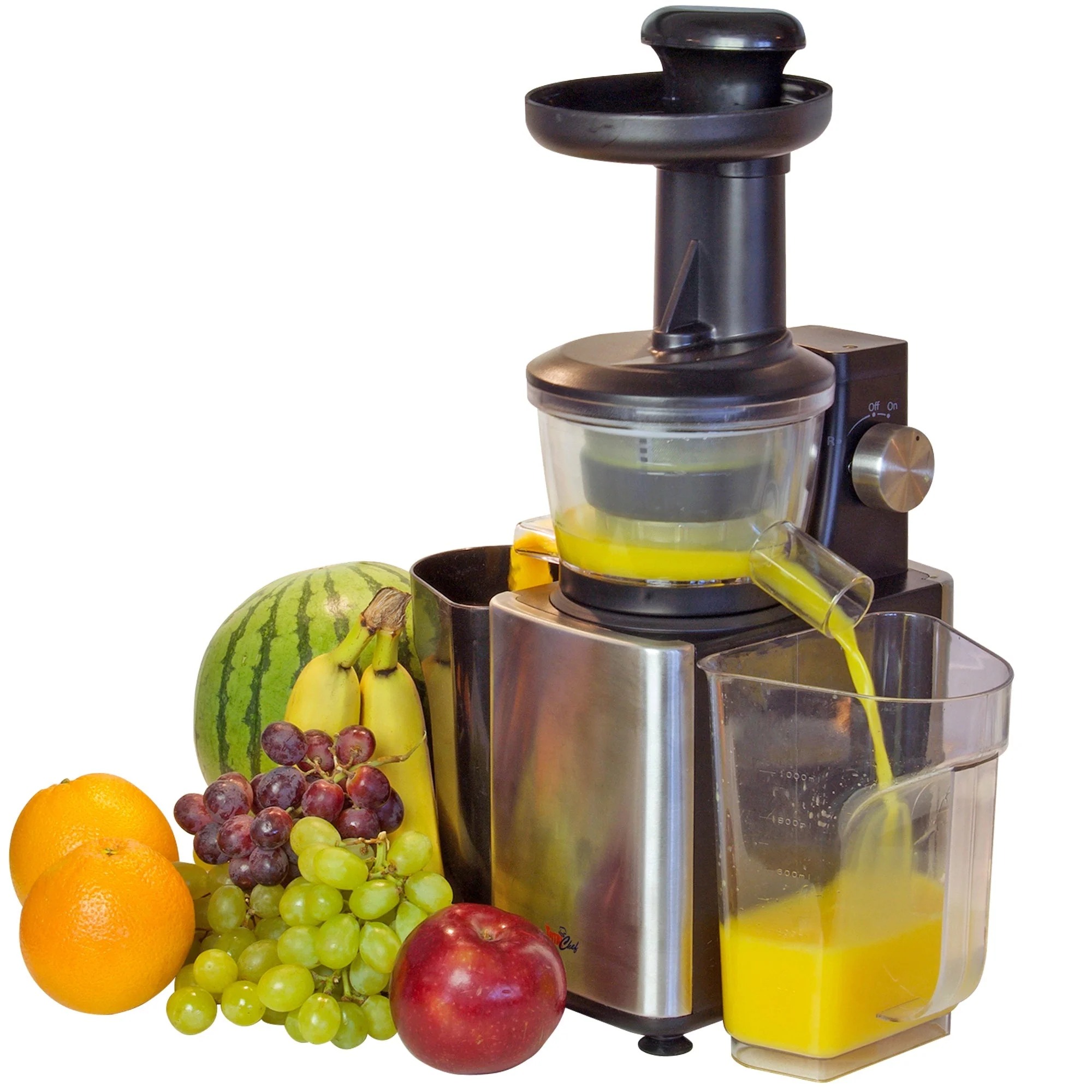
The fundamental difference lies in their design and construction. Commercial juicers boast robust motors, often rated at 1 HP or more, capable of continuous operation without overheating. Their build materials, typically high-grade stainless steel, ensure durability and resistance to wear and tear from constant use and rigorous cleaning. Crucially, they are designed for high throughput, meaning they can extract significant volumes of juice quickly and efficiently, a non-negotiable for businesses during peak hours. Features like large feed chutes that can accommodate whole fruits and vegetables minimize prep time, while ample pulp containers allow for continuous juicing without frequent interruptions.
The Workhorses of the Juice Bar: Types of Commercial Juicer Machines
Choosing the right heavy-duty commercial juicer machine depends largely on your menu, volume, and quality expectations. Each type offers distinct advantages.
Centrifugal Juicers: Speed, Efficiency, and Volume
Centrifugal juicers are the speed demons of the commercial kitchen. They operate by shredding produce with a fast-spinning metal blade, then using centrifugal force to separate the juice from the pulp. They are celebrated for their rapid juice extraction and affordability, making them ideal for high-volume establishments where speed is paramount. Imagine a busy morning rush at a café; a centrifugal juicer can keep the fresh orange juice flowing without a hitch. However, their high-speed operation generates heat and introduces more air, which can lead to faster oxidation, potentially reducing nutrient retention and resulting in a shorter shelf life for the juice. They also tend to be noisier and less efficient with leafy greens.
Masticating (Cold Press) Juicers: Nutrient Preservation and Premium Quality
Masticating juicers, often referred to as cold press juicers, take a slower, gentler approach. They use a single or twin auger system to crush and press fruits and vegetables, slowly squeezing out the juice. This method minimizes heat and oxidation, preserving more enzymes, vitamins, and minerals. The result is a richer, more vibrant juice with a longer shelf life – often up to three days. This makes them the go-to for juice bars focusing on premium, nutrient-dense products and bottled juices. While slower and generally more expensive upfront, the superior juice quality and higher yield from leafy greens can translate to significant long-term value and customer loyalty.
Triturating (Twin Gear) Juicers: Maximum Yield for Specialized Needs
Triturating juicers, or twin gear juicers, are a specialized subset of masticating machines. They employ two intermeshing gears to thoroughly crush and grind produce, offering the highest possible juice yield and quality, especially for fibrous vegetables like wheatgrass and leafy greens. These are often found in high-end juice establishments that demand the absolute maximum extraction and nutrient preservation, even if it means a higher investment and a more involved cleaning process.
Specialized Citrus Juicers: Zest for Your Business
For businesses primarily serving fresh orange, lemon, or grapefruit juice, a dedicated commercial citrus juicer is indispensable. These machines are designed to efficiently extract juice from citrus halves, often processing dozens of fruits per minute. While not versatile for other types of produce, they excel at their specific task, providing a quick and consistent supply of pure citrus juice.
Smart Investment: Key Features to Consider Before Buying
Selecting the best heavy-duty commercial juicer machine is a significant decision. Here’s what to look for to ensure you make a wise investment.
Power and Performance: The Heartbeat of Your Operation
Look for a robust motor (1 HP or more) designed for continuous duty. This ensures your machine won’t falter during peak demand. “A powerful motor isn’t just about speed; it’s about reliability,” advises Clara Jensen, a seasoned food service equipment consultant. “You need a machine that can handle tough produce consistently without burning out.”
Capacity and Throughput: Meeting Demand
Consider your anticipated juice volume. Commercial juicers are rated by the amount of produce they can process per hour or the number of fruits per minute. High-capacity models with large feed chutes are crucial for busy establishments to minimize prep time and maximize output.
Build Quality and Durability: A Long-Term Partner
Durability is key. Machines constructed from high-quality stainless steel for critical components (like the juicing chamber and auger) will withstand the rigors of commercial use and frequent cleaning. These materials also contribute to hygiene and product longevity.
Ease of Cleaning and Maintenance: Time is Money
In a commercial setting, every minute counts. Choose a juicer that is easy to disassemble, clean, and reassemble. Dishwasher-safe parts and minimal crevices where pulp can accumulate are huge advantages. Efficient cleaning protocols are vital for maintaining hygiene and operational flow.
Safety and Certification: NSF Matters
For any food service equipment, NSF (National Sanitation Foundation) certification is a strong indicator of safety and hygiene compliance. This ensures the machine meets strict public health standards for design, materials, and performance.
The Nectar of Health: Nutritional Value and Business Benefits
The growing consumer demand for fresh, natural, and healthy beverages makes a heavy-duty commercial juicer machine an invaluable asset.
Maximizing Every Drop: Nutrient Retention
Cold press juicers, in particular, excel at preserving the delicate balance of vitamins, minerals, and enzymes found in fresh produce. By minimizing heat and oxidation, they deliver a juice that is not only delicious but also packed with the maximum possible nutritional punch. This aligns perfectly with today’s health-conscious consumers who prioritize wellness.
Boosting Your Business: Health Trends and Customer Loyalty
Offering fresh, high-quality juice elevates your menu and appeals to a broad demographic. It allows for premium pricing and fosters customer loyalty, as patrons seek out establishments known for their commitment to fresh and nutritious options. The versatility of a commercial juicer also enables you to experiment with unique blends, seasonal specials, and functional juices, keeping your offerings exciting and relevant.
Keeping Your Machine Running Smoothly: Essential Maintenance and Care
To ensure your heavy-duty commercial juicer machine delivers consistent performance and a long lifespan, proper care and maintenance are non-negotiable.
Daily Rituals: Quick Clean-Ups for Longevity
After each use, especially at the end of the day, fully disassemble all removable parts. Wash them thoroughly with warm, soapy water and a scrub brush, paying close attention to mesh filters and any areas where pulp can accumulate. Rinse all parts meticulously to remove soap residue and then dry them completely before reassembling. This daily ritual prevents sticky buildup and bacterial growth.
Deep Dive: Periodic Cleaning and Inspections
Beyond daily cleaning, perform periodic deep cleaning and inspections. “It’s not just about what you see; it’s about what you don’t,” notes Marcus Thorne, lead technician at JuiceMaster Pro Service. “Annually, check bearings for any looseness, inspect seals for wear, and ensure electrical connections are secure. Professional servicing every 12-18 months can catch minor issues before they become costly repairs.” Always refer to your manufacturer’s manual for specific cleaning agents and inspection guidelines.
Troubleshooting Common Issues
- Reduced Juice Yield: This often indicates a clogged filter or worn-out components. Clean the filter thoroughly and inspect for damage.
- Excessive Noise: Can be a sign of loose parts or motor issues. Ensure all components are correctly assembled and seek professional inspection if the noise persists.
- Machine Overheating: This could indicate continuous operation beyond recommended duty cycles or a failing motor. Allow the machine to cool down and review operational guidelines.
Frequently Asked Questions About Commercial Juicer Machines
Q1: How often should a commercial juicer be cleaned?
A commercial juicer should be cleaned multiple times a day if it’s in continuous high-volume use, and always at the end of each operational day. Daily, thorough cleaning of all removable parts is essential for hygiene and machine longevity.
Q2: What is the average lifespan of a heavy-duty commercial juicer?
With proper maintenance and regular servicing, a high-quality heavy-duty commercial juicer can last anywhere from 5 to 10 years or even longer. Durability of materials and motor quality are key factors.
Q3: Can a commercial juicer make nut milk?
Many masticating (cold press) commercial juicers are excellent for making nut milk, as their slow pressing action effectively extracts liquid from nuts. Centrifugal juicers are generally not suitable for this purpose.
Q4: Is a cold press commercial juicer always better than a centrifugal one?
Not necessarily. A cold press juicer offers superior juice quality, nutrient retention, and shelf life, making it ideal for premium products. However, centrifugal juicers are faster and more affordable, making them better for high-volume operations where speed is the primary concern. The “best” choice depends on your specific business needs and priorities.
Q5: What certifications should I look for?
Always look for NSF certification (National Sanitation Foundation) to ensure the juicer meets rigorous public health and safety standards for food equipment. Other relevant certifications might include UL or CE, depending on your region.
The Future of Fresh: JuiceMaster Pro’s Commitment
Investing in a heavy-duty commercial juicer machine is investing in the health and vitality of your business. At JuiceMaster Pro, we’re dedicated to providing not just cutting-edge technology, but also the strategic guidance to help you navigate the dynamic world of fresh juice. Choose wisely, maintain diligently, and unlock the full potential of fresh, vibrant juices for your customers. Embrace the future of fresh with confidence and innovation.