The world is waking up to the incredible benefits of fresh, natural juice. From bustling urban cafes to wellness-focused eateries and large-scale food production facilities, the demand for nutrient-dense, delicious beverages is skyrocketing. If you’re serious about meeting this demand, simply put, a domestic juicer just won’t cut it. You need an Industrial Juicer Machine – a powerhouse designed for relentless performance, maximum yield, and unwavering consistency. At JuiceMaster Pro, we’re dedicated to equipping your business with the technology that keeps you ahead, ensuring every drop contributes to your bottom line and your customers’ well-being.
The Heart of Healthy Business: Understanding Industrial Juicer Machines
So, what exactly sets an industrial juicer machine apart from the countertop model you might have at home? It all comes down to scale, durability, and specialized engineering. Imagine needing to produce hundreds, even thousands, of servings a day. A regular juicer would burn out in hours. Industrial juicer machines, often referred to as commercial juicers, are built like tanks. They boast powerful motors, robust construction, and components designed for continuous, heavy-duty operation. These machines aren’t just about making juice; they’re about efficiently transforming large quantities of raw fruits and vegetables into liquid gold, day in and day out. This robust capability is the cornerstone of any successful juice bar, restaurant, or commercial kitchen aiming for high-volume juice production.
Decoding the Types: Which Industrial Juicer Fits Your Flow?
Just like different businesses have different needs, industrial juicer machines come in various types, each with its own strengths. Choosing the right one is crucial for optimizing your operations and delivering the juice quality your customers crave.
Centrifugal Juicers: The Speed Demons
Think fast, think efficient. Centrifugal juicers operate by shredding produce with a flat blade disc at high speeds, then spinning the pulp against a mesh screen to separate the juice. They’re excellent for quickly processing hard fruits and vegetables like apples, carrots, and celery.
- Pros: Very fast, generally more affordable, good for high-volume production where speed is paramount.
- Cons: High-speed operation generates heat and incorporates more air, which can lead to oxidation, frothy juice, and a shorter shelf life (typically 24 hours). Less effective with leafy greens.
Masticating (Cold Press) Juicers: The Nutrient Guardians
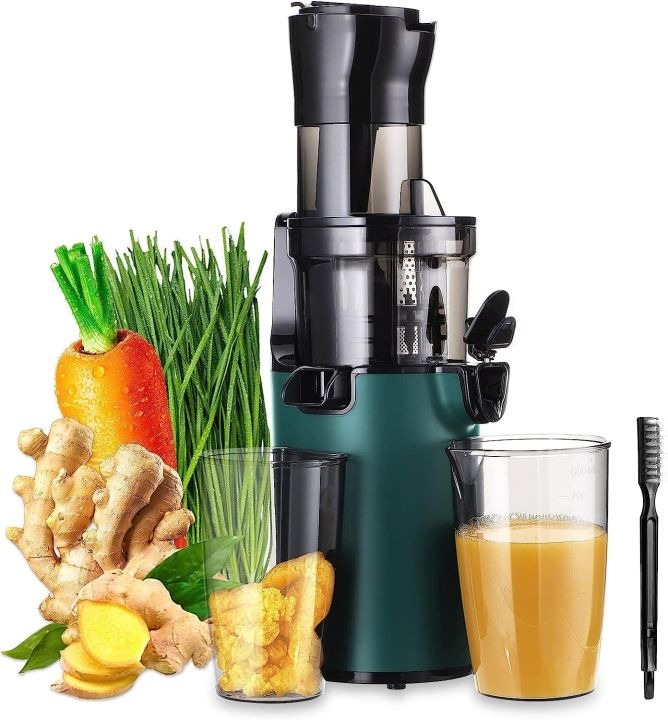
Often called slow juicers or cold press juicers, these machines work by crushing and pressing produce at low speeds using an auger. This gentle process minimizes heat and oxidation, preserving more enzymes, vitamins, and minerals.
- Pros: Superior nutrient retention, higher juice yield (extracting more from your produce), less foam, richer flavor, and a significantly longer shelf life (up to 72 hours, even more with HPP). Excellent for leafy greens, soft fruits, and wheatgrass.
- Cons: Slower operation than centrifugal juicers, generally a higher upfront investment.
Triturating (Twin Gear) Juicers: The Yield Masters
A subtype of masticating juicers, triturating juicers use two interlocking gears to grind and press produce. This advanced method offers the highest juice yield and the purest juice quality, extracting nearly every drop of goodness.
- Pros: Maximum juice extraction, exceptional nutrient preservation, versatile across all produce types.
- Cons: Can be slower and more expensive, often larger in footprint.
Specialized Juicers: Tailored for Specific Needs
For businesses focusing on particular types of produce, specialized industrial juicer machines offer dedicated efficiency.
- Citrus Juicers: These are specifically designed to effortlessly extract juice from oranges, lemons, limes, and grapefruits. They range from manual lever presses for moderate volume to electric reamers and automated systems for continuous, high-volume citrus juicing.
- Wheatgrass Juicers: If wheatgrass shots are a staple on your menu, a dedicated wheatgrass juicer is invaluable. These machines are engineered to efficiently process fibrous greens, providing maximum yield from this nutrient-packed plant.
Navigating the Choice: Essential Features for Your Industrial Juicer
Selecting the right industrial juicer machine for your business is a strategic decision that impacts everything from product quality to operational efficiency and profitability. Consider these key features:
- Juice Yield & Quality: This is critical for both profit and customer satisfaction. A higher yield means less waste and more product from the same amount of produce. For example, some advanced cold press systems can save companies up to 10% on fruit costs by maximizing extraction. Quality encompasses nutrient retention, flavor, and texture. Cold-pressed options generally excel here, delivering a vibrant, smoother juice with less separation.
- Capacity & Speed: How much juice do you need to produce, and how quickly? A small café might manage with a medium-capacity centrifugal juicer, while a dedicated juice bar or large hotel will need a high-volume, continuous operation machine. Look at metrics like “gallons per hour” or “fruits per minute” to match the machine to your peak demand.
- Durability & Materials: Commercial equipment is an investment. Opt for machines built with high-quality, sturdy materials like food-grade stainless steel and heavy-duty plastics. These are designed to withstand the rigors of a busy commercial kitchen, ensuring longevity and reducing the need for frequent repairs.
- Ease of Cleaning & Maintenance: In a fast-paced environment, downtime for cleaning can be costly. Look for industrial juicer machines with removable, dishwasher-safe parts and designs that minimize crevices where pulp can accumulate. Quick and easy disassembly and reassembly are essential for maintaining hygiene standards and operational flow.
- Size & Design: Space is often at a premium in commercial kitchens. Consider the footprint of the machine and whether it fits comfortably into your workspace. While aesthetics might seem secondary, a sleek, professional design can also enhance your front-of-house operations if the juicer is visible to customers.
- Budget & ROI: The initial cost of an industrial juicer machine can vary significantly. While a higher upfront investment might seem daunting, consider the long-term return on investment (ROI). A more efficient machine with higher yield, better juice quality (allowing for premium pricing), and lower maintenance costs can quickly pay for itself.
- Safety Features & Standards: Prioritize machines with essential safety features such as overload protection, automatic shut-off mechanisms, and those made from food-grade materials. Compliance with industry regulations and certifications (like NSF) ensures food safety and operational integrity.
Keeping the Juice Flowing: A Guide to Industrial Juicer Maintenance
Just like any high-performance machinery, your industrial juicer machine requires diligent care to ensure its longevity, efficiency, and the quality of its output. Regular maintenance isn’t just a recommendation; it’s a critical part of your business operations.
Daily Cleaning Procedures
This is your first line of defense against buildup and bacteria. After every use, or at the end of each shift, ensure a thorough cleaning.
- Unplug: Always, always unplug the machine before you start cleaning. Safety first!
- Disassemble: Carefully remove all detachable parts, such as the feed chute, juicing mechanism (augur/basket), mesh screen, and pulp collector.
- Rinse Immediately: Rinse all parts under warm running water to remove loose pulp and juice residue. This prevents it from drying and hardening, which makes cleaning much tougher.
- Wash with Detergent: Use a mild, food-grade detergent and a soft brush (a bottle brush is great for tight spaces) to scrub all components. Pay extra attention to mesh screens, as pulp can easily get lodged there.
- Rinse Thoroughly: Rinse again to ensure all soap residue is gone.
- Dry Completely: Air dry all parts or wipe them with a clean cloth before reassembling. Moisture left behind can lead to mildew or affect performance.
- Wipe Down Base: Use a damp cloth to clean the exterior of the motor base, being careful not to immerse it in water.
Weekly Inspection & Deep Cleaning
Once a week, dedicate time for a more in-depth inspection and cleaning.
- Full Disassembly: Take apart all accessible components for a comprehensive clean.
- Check for Wear: Inspect blades, screens, gaskets, and seals for any signs of wear, cracks, or dullness. Worn parts can affect efficiency and juice quality.
- Sanitize: Depending on your machine and local regulations, a weekly sanitization with appropriate food-safe sanitizers might be necessary. Always follow the manufacturer’s instructions.
Monthly Checks & Lubrication
Regular checks of the machine’s structural integrity are vital.
- Tighten Bolts: Vibrations from continuous operation can loosen bolts. Check all screws and bolts, especially those on guide blocks and moving platens for cold press machines, and tighten them snug (but don’t overtighten).
- Lubrication: For machines with moving parts requiring lubrication, use only food-grade lubricants as specified by the manufacturer. This ensures smooth operation and prevents contamination.
Part Replacement & Professional Servicing
Components like blades and strainers have a lifespan and will need periodic replacement. Keep spare parts handy to minimize downtime. For larger, more complex industrial juicer machines, particularly cold press systems, scheduled professional servicing is highly recommended. These experts can handle intricate maintenance tasks, calibrate components, and ensure your machine runs at peak performance.
Beyond the Machine: The Nutritional & Business Benefits
Investing in a high-quality industrial juicer machine from JuiceMaster Pro isn’t just about making juice; it’s about investing in the health of your customers and the prosperity of your business.
Unlocking Health Benefits
Freshly made juice, especially from cold press industrial juicer machines, is a powerhouse of nutrition.
- Maximized Nutrient Preservation: By minimizing heat and oxidation, cold-pressed juices retain more essential vitamins (like A, C, E, K), minerals (potassium, iron), and precious enzymes that aid digestion and nutrient absorption.
- Powerful Antioxidants: Fresh juices are rich in antioxidants, which combat oxidative stress in the body and support overall cellular health.
- Easy Digestion & Hydration: Liquid nutrition is easily absorbed by the body, providing a quick and efficient way to boost micronutrient intake and enhance hydration.
- Immune System Support: The concentrated vitamins and minerals in fresh juice can significantly support the immune system, contributing to overall wellness.
Driving Business Growth
The impact of an industrial juicer machine extends far beyond the glass.
- Premium Menu Offerings: Freshly squeezed, high-quality juice commands a premium price point, enhancing your menu and revenue per customer.
- Increased Customer Loyalty: Offering truly fresh, delicious, and nutritious options sets you apart, fostering customer satisfaction and repeat business. “People are increasingly health-conscious, and they can taste the difference,” says Dr. Amelia Vance, a leading food science expert. “Providing superior quality fresh juice directly translates to customer trust and loyalty.”
- Reduced Waste & Enhanced Profitability: High-yield machines ensure you get the most out of your produce, reducing waste and boosting your profit margins.
- Versatility & Innovation: With the right industrial juicer machine, you can experiment with a vast array of fruits, vegetables, and greens, creating unique blends and catering to diverse dietary preferences, from green detoxes to fruity power-ups.
- Longer Shelf Life: For cold-pressed juices, the extended shelf life opens up opportunities for pre-bottled grab-and-go options, juice cleanses, and wholesale distribution, significantly expanding your market reach.
Crafting Success: Ingredient Pairing & Recipe Ideas for Commercial Operations
An industrial juicer machine is your canvas; fresh produce is your palette. Here are some concepts for creating delightful and profitable commercial juice offerings:
- The Green Elixir: Combine nutrient-dense leafy greens like spinach, kale, and celery with crisp apple, a hint of ginger, and a squeeze of lemon for a powerful, invigorating detox blend.
- Citrus Zest Burst: A vibrant mix of orange, grapefruit, and a touch of lime provides a refreshing and vitamin C-packed immunity booster. Perfect for a morning pick-me-up.
- Berry Antioxidant Blast: Blend strawberries, blueberries, raspberries, and a base of apple juice for a sweet, antioxidant-rich, and visually appealing drink.
- Tropical Paradise: Pineapple, mango, and a splash of coconut water or orange juice transport your customers to an island getaway with every sip.
Experimentation is key, but always prioritize fresh, high-quality ingredients. The beauty of an industrial juicer machine is its ability to extract the pure essence of these ingredients, creating consistent and superior taste experiences every time.
FAQs About Industrial Juicer Machines
What is the difference between an industrial juicer and a home juicer?
Industrial juicers are built for continuous, high-volume use in commercial settings, featuring more powerful motors, robust construction, and significantly greater capacity than home juicers, which are designed for occasional, smaller batches.
Which type of industrial juicer is best for nutrient retention?
Masticating (cold press) and triturating (twin gear) industrial juicer machines are superior for nutrient retention as they operate at slower speeds, minimizing heat and oxidation which can degrade heat-sensitive vitamins and enzymes.
How often should I clean my industrial juicer?
Removable parts should be cleaned after every use or at the end of each shift. A deeper clean and inspection, including checking for wear, should be performed weekly, with structural checks and lubrication monthly.
Can industrial juicers handle all types of produce?
Most industrial juicers are versatile, but specific types excel with certain produce. Centrifugal juicers are great for hard fruits and vegetables, while masticating and triturating juicers are ideal for leafy greens, wheatgrass, and soft fruits. Specialized citrus juicers handle oranges, lemons, and limes best.
What is the typical lifespan of an industrial juicer machine?
With proper maintenance and regular part replacement, a high-quality industrial juicer machine can last many years, often between 5 to 10 years or more, depending on the brand, build quality, and intensity of use.
Is a cold press industrial juicer worth the investment?
For businesses prioritizing juice quality, nutrient retention, extended shelf life, and a premium customer experience, a cold press industrial juicer is absolutely worth the investment despite its higher initial cost, due to better yield, higher-priced products, and reduced waste.
The Future of Fresh: JuiceMaster Pro’s Commitment
In a market hungry for healthier, fresher choices, the industrial juicer machine is no longer a luxury but a necessity for any forward-thinking business. It’s the engine that powers your ability to deliver on the promise of pure, vibrant nutrition. At JuiceMaster Pro, we’re not just selling machines; we’re providing strategic tools that define industry leadership. Our commitment to innovation ensures our industrial juicer machines lead the way in technology, user experience, and sustainable performance. Join us in shaping the future of fresh juice, becoming the premier choice for juice lovers everywhere.