In today’s bustling food service landscape, where health and wellness reign supreme, the demand for fresh, natural juices has never been higher. For businesses looking to tap into this lucrative market, investing in a robust Industrial Juicer Machine For Sale isn’t just a purchase; it’s a strategic move that can define your brand, streamline operations, and significantly boost your bottom line. Forget those flimsy home models; we’re talking about a powerhouse designed for continuous, high-volume production, built to withstand the rigors of a busy commercial kitchen or a bustling juice bar.
What Sets an Industrial Juicer Machine Apart?
You might already own a juicer at home, but an industrial juicer machine is an entirely different beast. These aren’t just scaled-up versions; they are engineered from the ground up for commercial environments. The key difference lies in their durability, power, capacity, and the sheer efficiency they bring to your operation. We’re talking about motors designed for continuous use, often for hours on end, without overheating. Materials like heavy-gauge stainless steel aren’t just for aesthetics; they ensure hygiene, longevity, and resistance to corrosion from acidic fruits and vegetables. When you’re searching for an industrial juicer machine for sale, you’re looking for an investment in reliability and consistent performance.
Exploring the Core Technologies: Types of Industrial Juicers
Understanding the different types of industrial juicers is crucial for making an informed decision. Each technology offers distinct advantages, impacting juice quality, yield, and operational speed.
Centrifugal Juicers: The Speed Demons
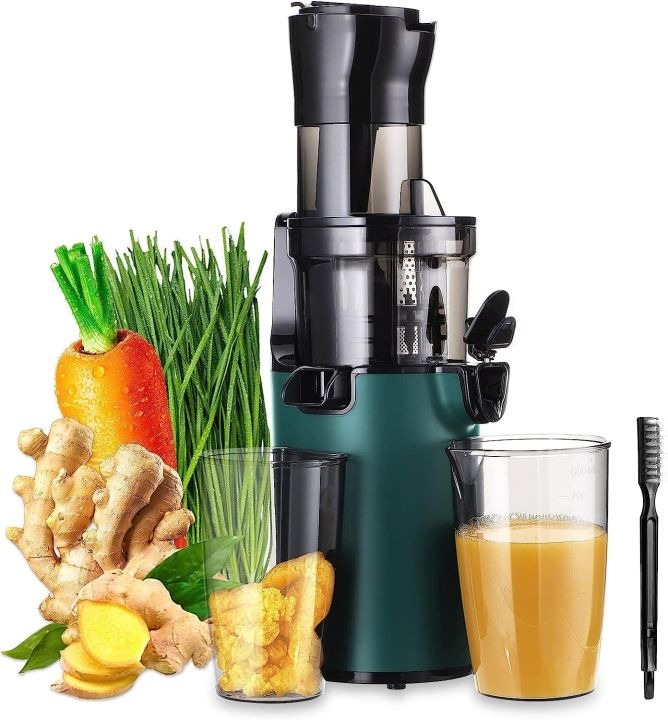
- How they work: These machines use a rapidly spinning blade to shred produce against a mesh filter. Centrifugal force then separates the juice from the pulp.
- Pros: Fastest juicing method, generally lower upfront cost, easier to clean for basic models. Great for businesses needing quick juice production.
- Cons: High speed introduces heat and air, which can lead to oxidation, reducing nutrient content and shelf life. Lower yield compared to other types.
- Best for: High-volume, fast-paced environments where speed is paramount, and immediate consumption is expected, like breakfast buffets or casual cafes.
Masticating (Cold Press) Juicers: The Nutrient Guardians
- How they work: A slow-moving auger crushes and presses produce against a screen, thoroughly extracting juice with minimal heat and oxidation.
- Pros: Produces higher quality juice with more nutrients, enzymes, and a longer shelf life. Higher yield, meaning more juice from your produce.
- Cons: Slower operation than centrifugal juicers, often a higher initial investment.
- Best for: Juice bars, health food stores, and businesses where nutrient retention, premium quality, and extended shelf life are top priorities for their offerings.
Hydraulic Press Juicers: The Ultimate Extractors
- How they work: Often a two-step process where produce is first shredded, then placed in filter bags and pressed under immense hydraulic pressure.
- Pros: The highest yield and exceptional juice quality with virtually no oxidation. Produces the purest, most nutrient-dense juice.
- Cons: Significantly more expensive, slower, and requires more space and manual labor than other types.
- Best for: Dedicated juice companies, large-scale health food producers, or high-end establishments focused on super-premium, raw, and organic juice production.
Essential Features to Look for in an Industrial Juicer
When you’re eyeing an industrial juicer machine for sale, the devil is in the details. A truly great machine boasts features that enhance efficiency, safety, and product quality.
- Motor Power and Duty Cycle: Look for powerful motors (often measured in horsepower) designed for continuous operation without burnout. “Continuous duty” means it can run all day if needed.
- Material Construction: Stainless steel (food-grade 304 or 316) is non-negotiable for all food-contact parts. It’s durable, hygienic, and resistant to corrosion.
- Feed Chute Size: A wider feed chute means less pre-cutting of fruits and vegetables, saving valuable prep time.
- Pulp Ejection System: Continuous pulp ejection is crucial for high-volume operations, allowing for uninterrupted juicing.
- Ease of Cleaning and Disassembly: Commercial kitchens demand rapid cleaning. Look for machines that can be easily disassembled and cleaned to maintain hygiene standards and pass health inspections. Dishwasher-safe parts are a huge plus.
- Safety Features: Interlock systems, overload protection, and sturdy bases are vital for operator safety in a busy environment.
- Noise Level: While industrial machines are rarely silent, some are significantly quieter than others, contributing to a more pleasant work environment.
- Warranty and Support: A strong manufacturer’s warranty and readily available customer support and parts are critical for long-term peace of mind.
Choosing the Right Industrial Juicer for Your Business Needs
Selecting the perfect industrial juicer machine for sale isn’t a one-size-fits-all scenario. It depends on your specific business model, volume, and product aspirations.
- Volume Requirements: How much juice do you plan to produce daily? This is the primary driver for capacity and motor strength. A small cafe might need a robust centrifugal model, while a dedicated juice bar will likely lean towards high-yield cold press options.
- Type of Produce: Are you primarily juicing soft fruits, hard vegetables, leafy greens, or a mix? Some machines excel with specific produce types. Masticating juicers, for example, are fantastic for leafy greens.
- Budget: Industrial juicers represent a significant investment. Establish a realistic budget that balances upfront cost with long-term efficiency and yield benefits. Remember, a higher yield means less produce waste, which can quickly offset a higher initial price.
- Space Considerations: Commercial kitchens often have limited counter space. Measure your available area and consider the machine’s footprint.
Operating and Maintaining Your Industrial Juicer Investment
To ensure your industrial juicer machine for sale delivers years of reliable service and consistent performance, proper operation and meticulous maintenance are key.
- Preparation is Key: Always wash and roughly chop your produce. While large feed chutes reduce prep, removing seeds and tough stems can prevent wear and tear and improve juice quality.
- Follow Manufacturer Guidelines: Adhere strictly to the operational instructions for feed rates, run times, and allowed produce types.
- Daily Cleaning Protocol:
- Immediately after use, disassemble all removable parts.
- Rinse parts under warm running water to remove pulp and residue.
- Use a stiff brush (often included) to clean mesh screens thoroughly.
- Wash with food-safe detergent and sanitize according to local health codes.
- Allow parts to air dry completely before reassembly to prevent bacterial growth.
- Deep Cleaning and Inspections: Regularly inspect seals, gaskets, and cutting blades for wear and tear. Periodically deep clean the motor housing and external surfaces.
- Professional Servicing: Schedule periodic professional servicing to ensure all components are functioning optimally and to address any potential issues before they become major problems.
“Investing in a high-quality industrial juicer isn’t just about making juice; it’s about building a reputation for freshness and quality,” advises Arthur Vance, a veteran food service equipment consultant. “The right machine minimizes waste, maximizes flavor, and ultimately translates directly to increased customer satisfaction and healthier profit margins.”
The Business Benefits: Why an Industrial Juicer is a Game Changer
Incorporating a commercial-grade juicer into your operation brings a wealth of advantages that extend far beyond simply offering juice.
- Meet Consumer Demand: The health-conscious consumer is actively seeking fresh, unpasteurized, nutrient-rich beverages. An industrial juicer allows you to meet this demand head-on.
- Boost Profit Margins: Freshly pressed juice often commands a premium price, offering excellent profit margins compared to pre-packaged alternatives.
- Operational Efficiency: High-capacity machines significantly reduce labor costs and production time compared to using multiple smaller units.
- Product Versatility: Beyond standalone juices, you can create custom blends, juice shots, smoothie bases, and even incorporate fresh juice into cocktails or culinary creations.
- Brand Differentiation: Offering genuinely fresh, high-quality juice sets your business apart from competitors and enhances your reputation for quality and health.
- Reduced Waste: Extracting more juice from your produce with an efficient machine means less food waste and better cost control.
Frequently Asked Questions About Industrial Juicers
Q1: What is the typical lifespan of an industrial juicer machine?
A1: With proper maintenance and regular cleaning, a high-quality industrial juicer can last anywhere from 5 to 10 years or even longer, depending on the brand, usage intensity, and quality of construction.
Q2: How much space does an industrial juicer machine for sale usually require?
A2: The footprint varies significantly by type and capacity. Centrifugal models tend to be more compact, while large cold press or hydraulic press systems require substantial counter or floor space. Always check the dimensions before purchase.
Q3: Can an industrial juicer handle all types of fruits and vegetables?
A3: Most industrial juicers are designed for a wide range of produce. However, some excel with specific types. Masticating juicers are generally better for leafy greens, while centrifugal juicers are excellent for harder fruits and vegetables.
Q4: Are industrial juicers difficult to clean?
A4: While they have more parts than home juicers, reputable industrial juicers are designed for easy disassembly and cleaning to meet health and safety regulations. Regular, immediate cleaning makes the process much simpler.
Q5: What is the difference between “cold press” and “slow juicer” in the industrial context?
A5: “Slow juicer” typically refers to masticating juicers that operate at low RPMs to minimize heat and oxidation. “Cold press” implies a method that ensures minimal heat exposure, often achieved by masticating or hydraulic pressing, resulting in a nutrient-rich juice with a longer shelf life. In industrial settings, they are often used interchangeably to describe high-quality, high-yield juicing.
Q6: What kind of return on investment (ROI) can I expect from an industrial juicer?
A6: The ROI depends on factors like juice pricing, sales volume, and ingredient costs. However, with high profit margins on fresh juice and increased operational efficiency, many businesses find that an industrial juicer can pay for itself within 6 to 18 months.
Q7: Where can I find a reliable industrial juicer machine for sale?
A7: Reputable restaurant supply stores, specialized food service equipment dealers, and online commercial kitchen equipment suppliers are the best places to find industrial juicer machines. Always look for dealers who offer strong warranties and after-sales support.
The JuiceMaster Pro Advantage
At JuiceMaster Pro, we understand that an industrial juicer machine for sale isn’t just equipment; it’s the heart of your fresh juice operation. Our commitment is to provide cutting-edge technology, unparalleled user experience, and continuous innovation. We meticulously design and engineer our machines to be robust, efficient, and easy to maintain, ensuring your business can consistently deliver the freshest, most delicious, and nutrient-rich juices to your customers.
Final Squeeze
Embarking on the journey of fresh juice production for your business is an exciting venture. Choosing the right industrial juicer machine for sale is a pivotal decision that will impact your product quality, operational efficiency, and ultimately, your success. Take the time to assess your needs, research the types and features, and invest wisely in a machine that will not only meet but exceed your expectations. With the right industrial juicer, you’re not just selling juice; you’re selling health, vitality, and a commitment to quality that your customers will taste in every delicious drop. Dive in, experiment with vibrant combinations, and watch your business flourish with the power of fresh-pressed juice.