In our fast-paced world, the quest for a healthier lifestyle often begins right in our kitchens. We’re all looking for quick, efficient ways to pack more nutrients into our daily routines, and that’s where the trusty Juicer Blender Machine steps in as a true hero. This versatile kitchen marvel isn’t just another gadget; it’s a gateway to delicious, nutrient-rich beverages that can transform your well-being. Whether you’re a seasoned health enthusiast or just starting your journey, understanding the nuances of these incredible appliances is key to unlocking a world of fresh flavors and vibrant health.
Juicer vs. Blender: The Fundamental Differences
Before diving into the world of combo appliances, let’s get clear on what each machine brings to the table individually. They might seem similar, both transforming fruits and vegetables into drinkable delights, but their methods and outcomes are wonderfully distinct.
What is a Juicer?
A juicer is essentially a master extractor. Its primary job is to separate the liquid from the fibrous pulp of fruits and vegetables. The result is a smooth, thin, pulp-free juice that delivers a concentrated shot of vitamins, minerals, and enzymes directly into your system. Think of it as hitting the fast-forward button on nutrient absorption.
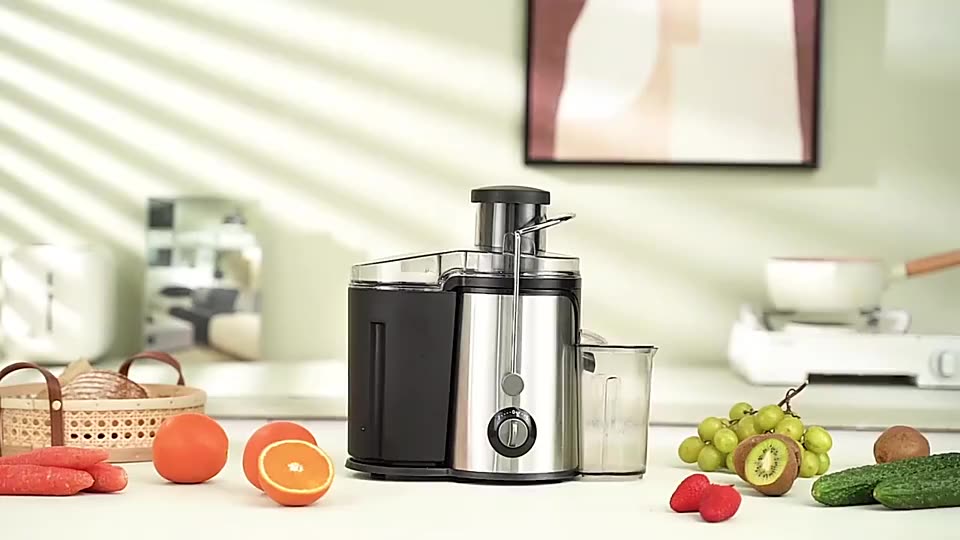
There are primarily two types of juicers:
- Masticating (Cold-Press) Juicers: These machines work slowly, crushing and pressing produce to extract juice. This gentle process generates minimal heat, which helps preserve more heat-sensitive nutrients and enzymes. They are generally quieter and produce a higher yield of juice with very dry pulp, making them excellent for leafy greens and wheatgrass.
- Centrifugal Juicers: These are typically faster, using a rapidly spinning blade to shred produce against a mesh filter, separating the juice from the pulp. While they offer speed and convenience, the high-speed operation can generate some heat and introduce air, potentially leading to a slight loss of nutrients and quicker oxidation.
Juicers are ideal for those seeking a quick nutrient boost, perhaps during a cleanse, or simply enjoying the pure, unadulterated essence of fruits and vegetables without the bulk of fiber.
What is a Blender?
In contrast, a blender is a pulverizer. It chops, grinds, and mixes entire ingredients—including the skin, seeds, and pulp—into a thick, often creamy, beverage. This means you’re consuming the whole food, retaining all the valuable dietary fiber.
Blenders come in various forms:
- Countertop Blenders: The classic pitcher-style blenders, typically powerful enough for daily smoothies, soups, and even crushing ice.
- Personal (Single-Serve) Blenders: Compact and convenient, these blend directly into a travel cup, perfect for on-the-go smoothies or protein shakes.
- High-Performance Blenders: These are the powerhouses, designed for heavy-duty tasks like making silky-smooth nut butters, hot soups through friction, and handling the toughest fibrous greens with ease.
- Immersion Blenders: Handheld stick blenders ideal for pureeing soups directly in the pot or making small batches of sauces.
Blenders are your go-to for a more filling drink, a meal replacement, or when you want the added benefits of fiber in your diet. They are incredibly versatile, extending their utility beyond just drinks to creating dips, sauces, and even batters.
Why Not Both? The Rise of the Juicer Blender Machine
For many, the dilemma of choosing between a juicer and a blender is real. What if you crave the concentrated nutrients of a fresh juice one day and the satisfying fullness of a fiber-rich smoothie the next? This is where the innovation of the juicer blender machine comes in. These 2-in-1 or hybrid appliances aim to offer the best of both worlds, providing the functionality of a juicer and a blender in a single, space-saving unit. They are designed for modern kitchens where counter space is precious and versatility is king, allowing you to seamlessly transition between extracting pure juice and blending whole-food concoctions.
The Heart of Healthy Living: Nutritional Value and Health Benefits
Both juicing and blending are fantastic ways to increase your daily intake of fruits and vegetables, which is crucial for overall health. However, they contribute to your well-being in slightly different ways.
Juicing for a Nutrient Burst
When you juice, you strip away the fiber, allowing your body to absorb vitamins, minerals, and antioxidants quickly and efficiently. This rapid delivery of nutrients can provide an immediate energy boost and is often favored for detoxification protocols. The concentrated nature of juice means you can consume a larger volume of produce than you might eat whole, leading to a potent dose of micronutrients. As Dr. Anya Sharma, a renowned nutritionist, often says, “Juicing provides a powerful, immediate infusion of micronutrients, ideal for cellular rejuvenation and a quick health reset.”
Blending for Wholesome Goodness
Blending, on the other hand, keeps all the fiber intact. This fiber is a superhero for your digestive system, promoting regularity and supporting a healthy gut microbiome. It also slows down sugar absorption into your bloodstream, helping to stabilize blood sugar levels and prevent energy crashes. The presence of fiber makes blended drinks more filling and satisfying, which can be beneficial for weight management as they help you feel full for longer periods. You’re essentially getting a complete nutritional package, making smoothies an excellent choice for a wholesome breakfast or a robust snack.
Finding Your Balance: Juicing and Blending in Your Diet
Ultimately, there’s no single “better” option; both juicing and blending have unique advantages. Integrating both into your diet allows you to reap a broader spectrum of health benefits. You might start your day with a vibrant, nutrient-dense juice for a quick pick-me-up and enjoy a filling, fiber-rich smoothie later as a meal replacement. The key is to listen to your body and what it needs.
Choosing Your Perfect Juicer Blender Machine: What to Look For
Selecting the right juicer blender machine can feel like a big decision with so many options available. Here’s what to consider to ensure you pick the perfect companion for your health journey:
Power and Performance
The motor’s wattage is a good indicator of a machine’s capability. For basic blending of soft fruits, 300-700 watts might suffice. However, to handle frozen fruits, ice, leafy greens, and harder vegetables for juicing, aim for a juicer blender machine with 900-1200 watts. For professional-grade performance, especially for high-volume or tough ingredients, look for 1500 watts or more. Don’t forget the blades—stainless steel is a must for durability and rust resistance, and multi-level blades are superior for effectively pulling ingredients down and breaking them apart for a smoother result.
Types of Juicer Blender Machines
While some appliances are dedicated juicers (masticating or centrifugal) or dedicated blenders (high-speed, personal), many modern “juicer blender machine” models offer combined functionality:
- Hybrid/Combo Appliances: These are the true juicer blender machines, designed from the ground up to handle both tasks. Brands like Breville with their “Bluicer” series or Nama with the C2 Juicer + Blender, as well as certain Ninja and Cuisinart models, offer integrated systems where a single motor base can operate both juicing and blending attachments. These are fantastic for saving space and simplifying your kitchen routine.
- Dedicated Machines with Attachments: Sometimes, a highly capable blender might have specific attachments or methods to simulate juicing (e.g., blending and then straining), or a juicer might have a blender attachment. While not a true 2-in-1, they offer versatility.
Ease of Use and Cleaning
Let’s be real: if an appliance is a hassle to clean, you won’t use it. Look for a juicer blender machine with dishwasher-safe parts and designs that minimize food traps. Some blenders feature self-cleaning cycles—simply add water and a drop of soap, run the cycle, and rinse. For juicers, hinged pulp chutes and easily detachable components can significantly reduce cleaning time.
Size, Noise, and Storage
Consider your kitchen space. Vertical juicer blender machines generally have a smaller footprint, ideal for limited counter space. Noise levels are also a factor, especially if you plan to make early morning drinks. Masticating juicers are known for being quieter, while some high-speed blenders can be quite loud. Think about where you’ll store it – will it live on the counter or in a cabinet?
Key Features to Consider
- Variable Speeds and Pre-set Programs: These offer control and convenience, allowing you to achieve the perfect texture for different recipes. Look for settings like “smoothie,” “ice crush,” or “pulse.”
- Large Feed Chutes: For juicers, a wider chute means less pre-chopping of fruits and vegetables, saving you time.
- Froth Separators: Useful for juicers to ensure a smoother, foam-free juice.
- Durable Materials: BPA-free plastics and sturdy construction ensure longevity and safety.
Mastering Your Machine: Usage and Maintenance Tips
Getting the most out of your juicer blender machine involves a few simple best practices.
Preparation is Key
Always wash your produce thoroughly. For juicers, some fruits and vegetables may need peeling (e.g., citrus rinds, pineapple skin) or pitting (e.g., peaches). For blenders, smaller pieces are often easier to blend smoothly, especially for tougher ingredients or if you have a less powerful machine.
Getting the Best Out of Your Juicer Blender
When blending, a good rule of thumb is to add liquids first, then soft ingredients (like leafy greens), followed by harder fruits and vegetables, and finally frozen items or ice on top. This helps the blades catch and pull ingredients down effectively. Avoid overloading your machine; process in batches if necessary. For juicers, feed ingredients at a steady pace, allowing the machine to process fully before adding more.
Cleaning for Longevity
Prompt cleaning is paramount. Rinsing parts immediately after use can prevent pulp and residue from drying and sticking, making thorough cleaning much easier. Utilize any auto-clean functions on your blender, and for juicers, disassemble all removable parts and wash them with warm, soapy water. A small brush can be very helpful for scrubbing mesh filters and tight crevices. Regular, proper cleaning ensures hygiene, prevents odors, and extends the lifespan of your valuable juicer blender machine.
Delicious Ideas: Recipes and Combinations
With your juicer blender machine ready, the possibilities for healthy and delicious creations are endless!
- Vibrant Green Juice: Combine celery, cucumber, apple, a handful of spinach, and a slice of ginger for a refreshing, detoxifying boost.
- Creamy Berry Power Smoothie: Blend mixed frozen berries, a banana, a scoop of plant-based protein powder, and your choice of almond or oat milk for a satisfying meal.
- Homemade Nut Milk: Use your blender function to create fresh almond, cashew, or oat milk—simply soak nuts (if needed), blend with water, and strain if you prefer a smoother texture.
- Quick Fruit Sorbet: Use the juicer or blender (with a tamper) to process frozen fruit like mango, berries, or pineapple for a healthy, guilt-free dessert.
Experiment with different combinations of fruits, vegetables, and superfoods to discover your favorite flavors and nutritional benefits.
FAQs About Juicer Blender Machines
Q1: Is a juicer blender combo worth it?
A: Absolutely, for many people. A juicer blender machine offers incredible versatility, allowing you to make both pulp-free juices and fiber-rich smoothies, often saving counter space and simplifying kitchen routines by combining two essential appliances into one.
Q2: Can a regular blender make juice?
A: A regular blender can create a whole-food juice (which is essentially a smoothie), but it won’t separate the pulp to produce a clear, thin juice like a dedicated juicer. You can blend ingredients and then manually strain them through a nut milk bag or fine-mesh sieve, but this adds extra steps and cleanup.
Q3: Is juicing or blending better for weight loss?
A: Both can support weight loss as part of a balanced diet by increasing nutrient intake and reducing cravings. Blending may be more beneficial for satiety due to its fiber content, which helps you feel full longer. Juicing provides concentrated nutrients quickly, which can be great for nutrient density without the bulk.
Q4: How do I clean my juicer blender machine effectively?
A: The most effective cleaning involves rinsing parts immediately after use. For blenders, many have a self-clean function with water and soap. For juicers, disassemble all components, scrub thoroughly with warm, soapy water (especially the mesh filter), and let air dry. Always check if parts are dishwasher-safe.
Q5: What are the best brands for juicer blender machines?
A: Reputable brands known for quality juicer blender machines include Nama, Breville, Ninja, Vitamix (primarily high-end blenders with juicing capabilities), and Cuisinart. The “best” depends on your specific needs, budget, and desired features.
Embrace the Power of Fresh
The journey to better health often starts with small, consistent changes, and integrating a high-quality juicer blender machine into your life is a powerful step. As a strategic advisor for JuiceMaster Pro, I see the immense potential these innovations hold for elevating everyday wellness. Whether you’re extracting the pure essence of greens or crafting a hearty, fiber-rich smoothie, a juicer blender machine empowers you to take control of your nutrition with unparalleled convenience and versatility. So, go ahead, explore the vibrant world of fresh, homemade beverages, and let your kitchen become the heart of your healthy lifestyle.