Imagine starting your day with a glass of vibrant, nutrient-packed juice that energizes your body and delights your taste buds. This isn’t just a dream; it’s the daily reality for countless individuals who have discovered the power of the Juicer Cold Press Machine. Far from a fleeting trend, this innovative kitchen appliance has become the gold standard for those seeking to maximize the health benefits and flavor of their fresh produce. If you’re ready to transform your wellness journey, understanding what makes a juicer cold press machine so special is your first step.
The Science Behind Your Squeeze: What Exactly is a Cold Press Juicer?
The concept of extracting juice from fruits and vegetables has evolved significantly over time. While ancient methods involved simple pressing, modern technology brought about various juicer types. Among them, the juicer cold press machine, often referred to as a masticating juicer or slow juicer, stands out for its meticulous approach.
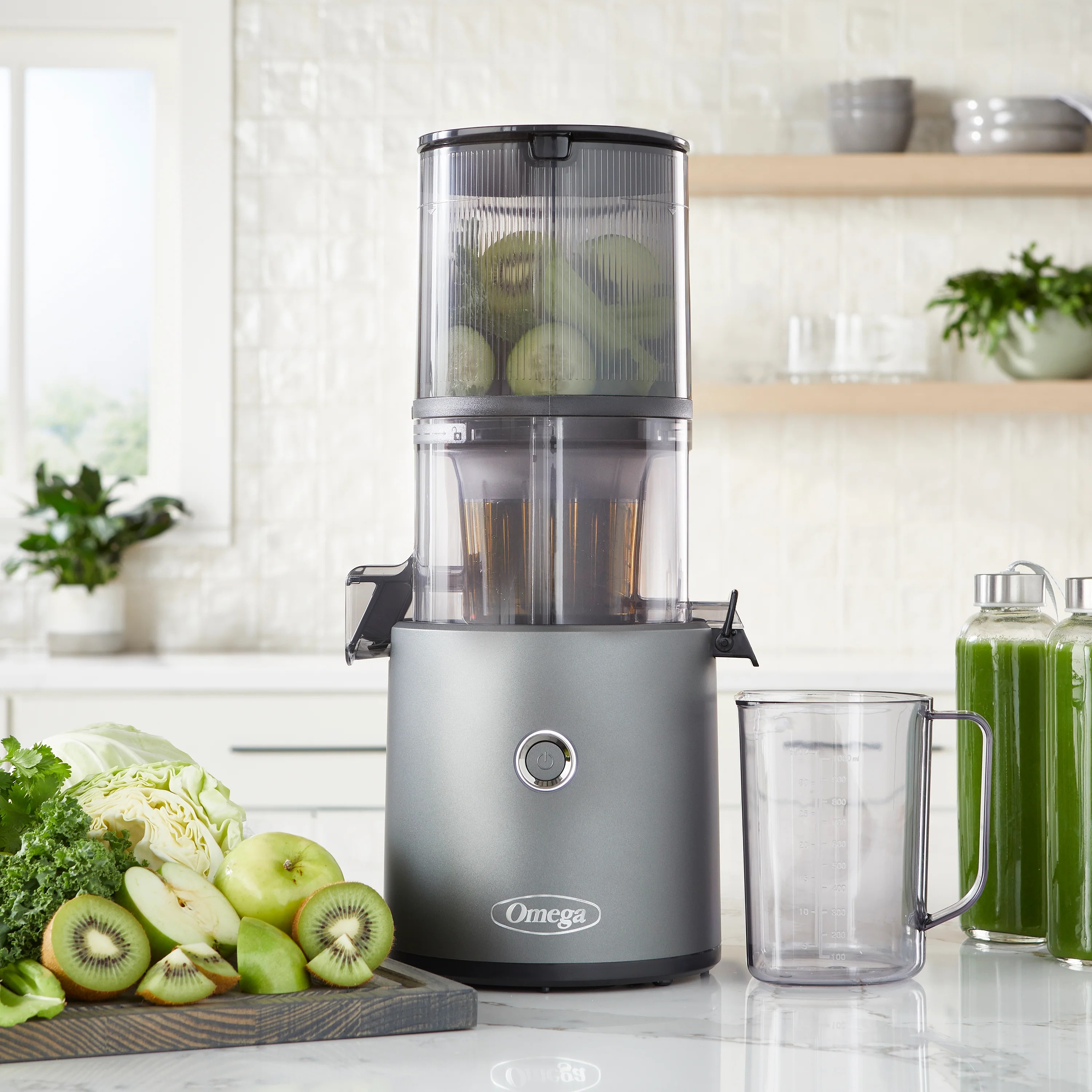
Unlike conventional juicers that use high-speed blades to shred produce, generating considerable heat and introducing air, a cold press juicer operates with a gentle, slow-speed motor. It employs an auger or twin gears that slowly crush and press the fruits and vegetables against a screen. This method mimics the action of chewing, breaking down fibers to extract juice without generating excessive heat or causing significant oxidation. The result is a richer, smoother juice where delicate enzymes, vitamins, and minerals remain largely intact, preserving the produce’s natural goodness.
Cold Press vs. Centrifugal: Why the Juicer Cold Press Machine Reigns Supreme
When considering a juicer, the choice often comes down to two main types: centrifugal and cold press. While centrifugal juicers are known for their speed and affordability, the juicer cold press machine offers distinct advantages that are crucial for health-conscious individuals.
| Feature | Juicer Cold Press Machine | Centrifugal Juicer |
|---|---|---|
| Operation | Slow crushing and pressing (masticating) | High-speed spinning blades |
| Heat Generated | Minimal | High |
| Oxidation | Low | High |
| Nutrient Loss | Minimal; preserves enzymes, vitamins, minerals | Significant due to heat and air |
| Juice Yield | High; very dry pulp | Lower; often wet pulp |
| Juice Quality | Smooth, vibrant, rich flavor, less foam | Frothy, quicker separation, less vibrant |
| Shelf Life | Up to 72 hours (refrigerated) | Best consumed immediately (hours) |
| Versatility | Excellent for leafy greens, hard produce, nuts, wheatgrass | Struggles with leafy greens and soft fruits |
| Noise Level | Quiet operation | Loud |
| Cost | Generally higher initial investment | More affordable |
As Dr. Eleanor Vance, a leading nutritionist, often emphasizes, “The gentle extraction process of a juicer cold press machine is a game-changer for nutrient preservation. It’s not just about getting juice; it’s about getting the most alive, potent nutrition possible from your produce.”
The Abundant Benefits of a Juicer Cold Press Machine
Investing in a juicer cold press machine is more than just buying an appliance; it’s investing in a healthier lifestyle. The benefits extend far beyond a simple glass of juice.
Maximize Your Nutrients, Boost Your Well-being
The primary allure of cold press juicing lies in its ability to deliver an unparalleled nutritional punch. By minimizing heat and oxidation, these machines ensure that your juice retains a higher concentration of vital enzymes, vitamins (like Vitamin C and A), and minerals (such as iron and calcium). This means every sip supports your immune system, aids digestion, and contributes to overall cellular health. It’s an effortless way to flood your body with micronutrients that might be missing from your regular diet.
Superior Taste and Longer Freshness
Have you ever noticed how quickly store-bought juices lose their appeal? Cold pressed juices, on the other hand, boast a naturally richer, more vibrant flavor profile and color. With less foam and separation, the juice is smoother and more enjoyable. Crucially, the reduced oxidation means your freshly made cold-pressed juice can last in the refrigerator for up to 72 hours without significant degradation of its nutritional value or taste, offering convenience without compromise.
Effortless Versatility for Every Ingredient
One of the standout features of a juicer cold press machine is its remarkable versatility. While centrifugal juicers often struggle with fibrous ingredients, cold press models effortlessly handle a wide array of produce. From nutrient-dense leafy greens like kale and spinach to hard root vegetables such as carrots and beets, and even nuts for homemade almond milk or wheatgrass, these machines are up to the task. This allows you to experiment with an endless variety of ingredients, creating diverse and exciting juice combinations.
Choosing Your Perfect Juicer Cold Press Machine: A Buyer’s Guide
Selecting the right juicer cold press machine for your home can feel overwhelming with so many options available. Here’s what to consider to ensure you pick a model that truly meets your needs:
- Motor Power and Speed: While all cold press juicers operate at slow speeds (often around 40-80 RPM), a higher wattage motor can indicate better durability and efficiency when processing tougher ingredients. Ensure the motor is robust enough for your juicing habits.
- Feeding Chute Size: A wider feeding chute means less pre-cutting, saving you valuable prep time. If you dislike chopping, look for models with larger chutes that can accommodate whole fruits and vegetables.
- Ease of Cleaning and Assembly: This is a crucial factor for daily use. Look for machines with fewer parts, easy assembly and disassembly, and ideally, some dishwasher-safe components. A cleaning brush should always be included, as mesh filters can be tricky to clean thoroughly.
- Durability and Warranty: A
juicer cold press machineis an investment. Choose reputable brands known for quality construction and check the warranty period. A longer warranty often signifies the manufacturer’s confidence in their product’s longevity. - Noise Level: While cold press juicers are generally quieter than centrifugal models, some are exceptionally silent. If you plan to juice early in the morning or late at night without disturbing others, prioritize models specifically praised for their low noise.
- Budget and Space: Cold press juicers range in price. Determine your budget, but also consider your kitchen space. Compact or vertical designs are excellent choices for smaller countertops or limited storage.
Mastering Your Machine: Usage and Maintenance Tips for Your Juicer Cold Press Machine
To ensure your juicer cold press machine delivers peak performance for years to come, consistent care and proper usage are key.
Daily Ritual: Post-Juicing Clean-Up
The golden rule for juicer maintenance is to clean it immediately after every use.
- Disassemble: Carefully remove all detachable parts.
- Rinse: Rinse each component under warm running water to remove fresh pulp and juice residue before it dries and hardens.
- Brush Clean: Use the included cleaning brush, especially for the mesh screen and any hard-to-reach nooks and crannies. This prevents stubborn buildup that can impact performance and hygiene.
Weekly Deep Dive: Ensuring Longevity
Once a week, give your juicer cold press machine a more thorough clean.
- Soak: Submerge all detachable parts in warm water mixed with a few drops of mild dish soap for 15-20 minutes. This helps loosen any lingering residue or stains.
- Thorough Scrub: Pay extra attention to the mesh filter and any areas where pulp might accumulate.
- Rinse and Dry: Rinse all parts meticulously to ensure they are soap-free, then allow them to air dry completely before reassembling. Always unplug the machine before beginning any cleaning or maintenance.
Troubleshooting Common Hiccups
Even with the best care, you might encounter minor issues. If clogging occurs, most cold press juicers have a “reverse” function that can help clear blockages. For lingering odors, try running a mixture of water and lemon juice through the machine, then disassemble and clean thoroughly. Regular inspections for wear and tear on parts like the auger or strainers can also prevent larger issues.
Delicious & Nutritious: Recipes to Ignite Your Juicer Cold Press Machine
Your juicer cold press machine opens up a world of culinary possibilities. Here are a few simple recipes to get you started:
Simple Green Detox
This classic blend is perfect for a gentle cleanse or a daily nutrient boost.
- 1 large cucumber
- 2 celery stalks
- 1 green apple
- Large handful of spinach
- ½ inch ginger root
- ½ lemon (peeled)
Juice all ingredients. This yields a refreshing and alkalizing drink.
Vibrant Immunity Booster
Packed with Vitamin C and antioxidants, this juice is your ally during cold season.
- 3 oranges (peeled)
- 2 carrots
- 1 inch turmeric root
- Pinch of black pepper (to activate turmeric)
Juice all ingredients. Enjoy immediately for maximum vibrancy.
Creamy Almond Milk (Versatility Example)
Beyond fruits and vegetables, your cold press juicer can make fresh plant-based milks.
- 1 cup raw almonds (soaked overnight, then rinsed)
- 3-4 cups filtered water (adjust for desired consistency)
- Pinch of sea salt
- Optional: 1-2 dates for sweetness
Juice the almonds, alternating with water, then mix in salt and dates. Strain if desired for extra smoothness.
FAQs About the Juicer Cold Press Machine
Q1: Is a cold press juicer worth the investment?
Absolutely! While the initial cost can be higher than centrifugal models, the superior nutrient retention, higher juice yield, better taste, and longer shelf life of juice from a juicer cold press machine make it a worthwhile long-term investment for your health and wallet.
Q2: How long does cold-pressed juice last?
When stored in an airtight container in the refrigerator, cold-pressed juice can maintain its quality and nutrient integrity for up to 72 hours, thanks to the minimal oxidation during the juicing process.
Q3: Can I juice frozen fruits in a cold press juicer?
It’s generally not recommended to juice frozen fruits directly as they can be too hard for the auger and may damage the machine. It’s best to thaw frozen produce partially or use fresh ingredients.
Q4: What’s the difference between cold press and slow juicers?
These terms are often used interchangeably. A juicer cold press machine is a type of slow juicer, also known as a masticating juicer, that operates at low speeds to minimize heat and oxidation.
Q5: Are cold press juicers hard to clean?
While they might have a few more parts than a simple blender, cleaning a juicer cold press machine is straightforward, especially if done immediately after use. Most models come with a brush specifically designed to clean the mesh screen, which is often the most challenging part.
Embracing a juicer cold press machine truly is about making a strategic choice for your health. As the Senior Strategic Advisor for JuiceMaster Pro, I believe this technology is not just about making juice; it’s about unlocking a vibrant, healthier lifestyle. By prioritizing nutrient retention, superior flavor, and user-friendly design, JuiceMaster Pro ensures you have the very best tool to create fresh, wholesome juices that nourish your body and delight your senses. Discover the difference and let your juicer cold press machine be your daily partner in wellness.