In a world increasingly focused on wellness, the pursuit of vibrant health often leads us back to nature’s simplest gifts: fresh fruits and vegetables. And when it comes to harnessing their potent power, few kitchen appliances are as transformative as a high-quality Juicer Machine. At JuiceMaster Pro, we believe in empowering you to embrace a healthier lifestyle, and that starts with understanding how the right juicer can unlock a world of delicious, nutrient-packed beverages. This guide will walk you through everything you need to know to choose, use, and cherish your juicer machine, ensuring every sip is a step towards a more energetic you.
The Heart of Healthy Living: Why a Juicer Machine Matters
Imagine starting your day with a glass brimming with living enzymes, vitamins, and minerals, directly absorbed into your system. That’s the magic of a juicer machine. Unlike eating whole produce, which requires your digestive system to break down fiber, juicing extracts the liquid gold, making nutrients readily available for cellular absorption. This efficient delivery can boost energy, support detoxification, enhance skin radiance, and bolster your immune system.
Many wonder about the difference between juicing and blending. While blenders keep all the fiber, creating thicker smoothies, juicers separate the liquid from the pulp. This distinction is crucial for those seeking a highly concentrated nutrient shot without the digestive load of fiber, allowing your body to quickly access a potent dose of goodness.
Understanding Your Options: Types of Juicer Machines
The world of juicer machines offers a variety of technologies, each with its unique advantages. Knowing these differences is key to finding your perfect match.
Centrifugal Juicers
These are often the entry point for many juicing enthusiasts. Centrifugal juicers work by using a high-speed spinning blade to shred fruits and vegetables, then rapidly spinning the pulp against a mesh screen to separate the juice.
- Pros: They are typically fast, more affordable, and handle harder produce like apples and carrots with ease. Their wide feed chutes often require less pre-cutting, saving you precious time.
- Cons: The high-speed operation generates heat and introduces more air (oxidation) into the juice, potentially diminishing some heat-sensitive nutrients and shortening the juice’s shelf life. They can also be quite noisy and aren’t as efficient with leafy greens, often producing foamy juice and wetter pulp.
Masticating Juicers (Slow Juicers/Cold Press Juicers)
Considered the connoisseur’s choice, masticating juicers operate with a single auger that slowly crushes and presses produce against a screen. This gentle, low-speed process is often referred to as “cold press” juicing.
- Pros: They excel at extracting juice from leafy greens, wheatgrass, and soft fruits, yielding more juice with drier pulp. The slow process minimizes heat and oxidation, preserving more enzymes and nutrients, resulting in a richer, longer-lasting juice (often up to 48-72 hours when stored properly). Masticating juicer machines are also significantly quieter than their centrifugal counterparts and can often be used for other purposes, like making nut milks, sorbets, or baby food.
- Cons: They are generally more expensive, slower to operate, and often have smaller feed chutes, requiring more prep work (chopping ingredients). Cleaning can also involve more components.
Triturating Juicers (Twin-Gear Juicers)
At the pinnacle of juicing technology are triturating juicers, which feature two interlocking gears (twin gears) that grind and press produce with remarkable efficiency.
- Pros: These machines offer the highest juice yield and the driest pulp, ensuring maximum nutrient extraction. They are unparalleled in processing leafy greens and wheatgrass and provide the longest-lasting, most nutrient-dense juice. Their versatility extends to making pates, nut butters, and more.
- Cons: Triturating juicers are the most expensive, slowest to operate, and often have a larger footprint, taking up more counter space. They also have the most parts to clean.
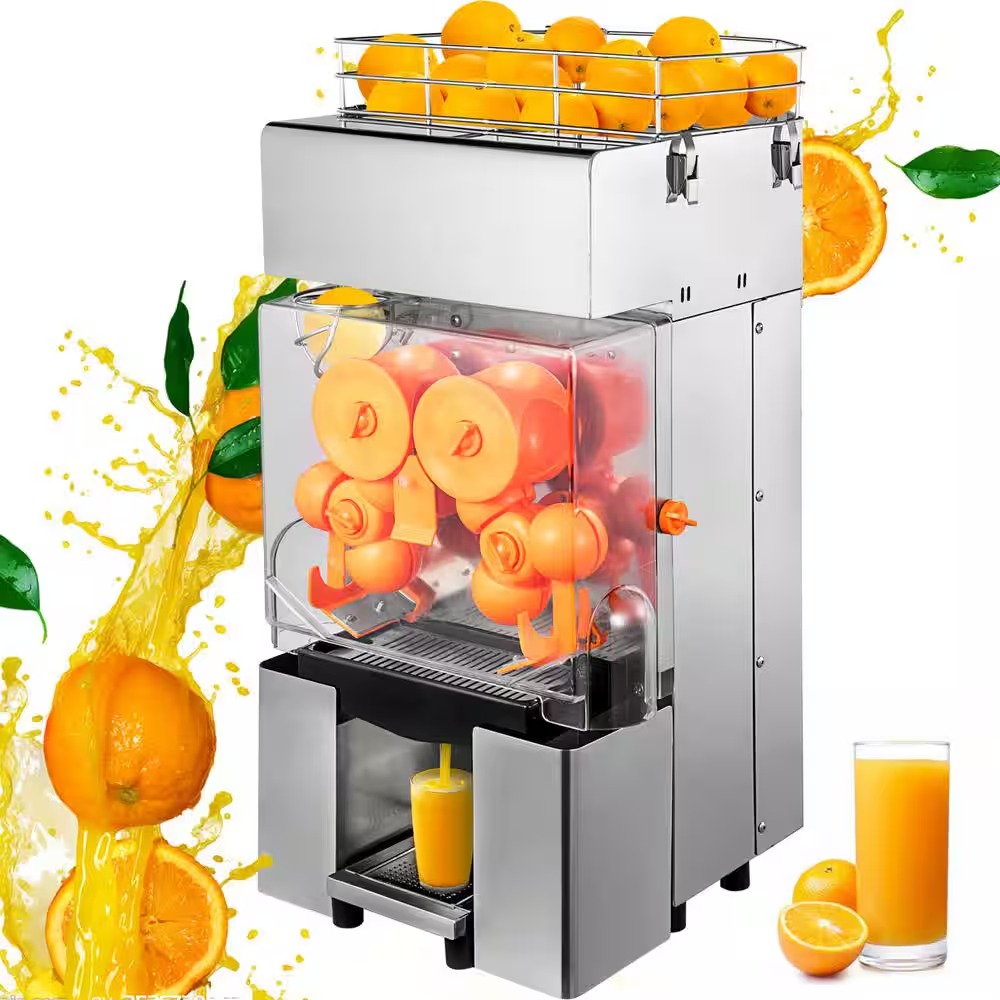
Citrus Juicers
While not full-fledged juicer machines, dedicated citrus juicers (manual or electric) are perfect for quickly extracting juice from oranges, lemons, limes, and grapefruits. They are simple, compact, and ideal if your primary focus is fresh citrus juice.
Beyond the Basics: Essential Features to Look For
When investing in a juicer machine, several features can significantly impact your juicing experience.
- Motor Power and Speed: For hard vegetables and faster juicing, higher wattage (for centrifugal) or a powerful motor with consistent torque (for masticating) is beneficial. Multiple speed settings offer versatility for different types of produce.
- Juice Yield and Pulp Quality: A good juicer machine should produce a high yield of juice with very dry pulp, indicating efficient extraction.
- Feed Chute Size: A wider feed chute means less pre-chopping, saving you time and effort.
- Ease of Cleaning and Assembly: Look for models with fewer parts, dishwasher-safe components, and simple assembly/disassembly mechanisms. This is often a deciding factor in how frequently a juicer is used.
- Noise Level: If you plan to juice early in the morning or live in an apartment, a quieter masticating juicer machine might be a better choice.
- Durability and Warranty: A juicer machine is an investment. Check for robust construction and a good warranty, especially on the motor.
- Size and Design: Consider your available counter space and storage options. Some juicers are compact, while others require a dedicated spot.
- Versatility: Beyond juice, can your juicer machine make nut butters, frozen desserts, or baby food? This multi-functionality adds value.
Expert Insights: Choosing the Right Juicer for Your Lifestyle
“The choice of a juicer machine should always align with your health goals,” advises Dr. Elara Vance, a renowned Nutritional Scientist. “If nutrient preservation is paramount, especially for medicinal juicing or to maximize delicate enzymes from leafy greens, a high-quality masticating or triturating juicer is an unparalleled investment. They ensure you’re getting the most bioavailable nutrients from your produce.”
Chef Marcus Thorne, a Culinary Innovator, adds, “Don’t underestimate the joy of experimentation. A versatile juicer machine can open up a whole new world of culinary creations beyond just juice. Think about crafting homemade almond milk, fresh herb purees, or even healthy fruit sorbets. It encourages you to explore and innovate in your kitchen.”
Simple Steps for Squeaky-Clean Juicing: Maintenance and Care
To ensure your juicer machine remains a workhorse in your kitchen, proper and prompt cleaning is essential. Dried pulp can be notoriously stubborn!
- Immediate Action is Key: As soon as you finish juicing, disassemble your machine. Don’t let pulp dry and harden inside.
- Unplug and Disassemble: Always unplug the juicer before you start. Carefully remove all detachable parts, including the pulp container, juice jug, filter basket, auger/blades, and lid.
- Rinse and Soak: Rinse each part under warm running water to remove loose pulp. For the filter basket, which can accumulate fine fibers, use the small cleaning brush typically provided with your juicer. Fill a sink or basin with warm, soapy water and let all the removable parts soak for about 10-15 minutes.
- Scrub Away Stains: After soaking, use a soft-bristled brush or sponge to gently scrub each part. For stubborn pulp in the mesh filter, a toothbrush can work wonders. If you encounter tough stains or discoloration, a paste of baking soda and a bit of water, or a soak in warm water with a splash of white vinegar, can help.
- Clean the Base: The main motor base should never be submerged in water. Simply wipe it down with a damp cloth (moistened with water or a vinegar-water solution) and then dry it thoroughly.
- Dry and Reassemble: Ensure all parts are completely dry before reassembling your juicer machine and storing it. This prevents mold and mildew growth.
Pro Tip: To minimize cleanup, consider lining your pulp container with a compostable bag or even a reusable produce bag. This makes discarding or repurposing pulp much easier.
Unleash Your Inner Alchemist: Crafting Delicious and Nutritious Juices
With your juicer machine ready, the possibilities for creating delicious and healthy concoctions are endless. Here are a few ideas to get you started:
- The Green Detox: Kale, spinach, cucumber, celery, green apple, ginger, and a squeeze of lemon.
- Vibrant Carrot-Ginger Glow: Carrots, an orange, a small piece of ginger, and a pinch of turmeric.
- Refreshing Citrus Blast: Oranges, grapefruit, and a few mint leaves.
- Berry Antioxidant Power: Mixed berries (best with masticating juicers), a small apple, and a handful of spinach.
Experiment with different combinations based on your taste and nutritional needs. The beauty of a juicer machine is the freedom it gives you to customize your healthy drinks.
Frequently Asked Questions About Juicer Machines
Q: What is the main difference between a centrifugal and a masticating juicer?
A: A centrifugal juicer uses high-speed spinning blades to shred produce, while a masticating juicer uses a slow auger to crush and press ingredients. Masticating juicers generally yield more nutrient-dense juice due to less heat and oxidation, and they perform better with leafy greens, but they are slower and more expensive.
Q: How often should I clean my juicer machine?
A: You should clean your juicer machine immediately after every use. This prevents pulp from drying and hardening, making the cleaning process much quicker and easier, and ensures hygiene.
Q: Can I juice frozen fruits and vegetables?
A: Most juicer machines are not designed for frozen produce, as it can strain the motor and damage components. It’s best to thaw frozen ingredients before juicing. However, some heavy-duty masticating juicers can handle slightly frozen fruit for sorbets, but always check your specific model’s manual.
Q: Is a more expensive juicer always better?
A: While higher-priced juicer machines often offer superior performance, durability, and features (like better nutrient retention, higher yield, and quieter operation), the “best” juicer depends on your specific needs and budget. A more affordable centrifugal juicer can still be a great starting point for occasional juicing.
Q: What is “cold press” juicing?
A: “Cold press” juicing refers to the method used by masticating and triturating juicers. These machines extract juice by slowly pressing and crushing produce without generating significant heat, which helps preserve heat-sensitive enzymes and nutrients, resulting in a higher quality juice.
The JuiceMaster Pro Promise: Embracing a Healthier You
At JuiceMaster Pro, we believe that investing in a juicer machine is an investment in your well-being. It’s a commitment to nourishing your body with pure, unadulterated goodness, taking control of your health one glass at a time. Whether you’re a seasoned juice aficionado or just beginning your journey, the perfect juicer machine awaits to transform your kitchen into a personal wellness hub. Embrace the vibrant flavors and incredible health benefits, and let your juicer machine be your partner in living a healthier, more energized life.