Ever wondered why some juicers cost as much as a small car payment while others are barely more than a fancy coffee? The world of Juicer Machine Price tags can feel like a labyrinth, but fear not! Understanding what truly drives the cost of these beloved kitchen appliances is key to making a smart investment in your health and your wallet. As strategic advisors to JuiceMaster Pro, we believe in empowering you with the knowledge to navigate the market and find a juicer that perfectly fits your lifestyle and budget.
The Journey of Juicing: From Ancient Roots to Modern Marvels
Juicing isn’t a new fad; it’s a practice with ancient origins, celebrated for its ability to deliver concentrated nutrients. Historically, people would use simple presses or mortars to extract liquids from fruits and herbs. Fast forward to today, and the market is brimming with sophisticated juicer machines, each promising a ticket to wellness. This evolution has naturally led to a diverse range of products, with their price points reflecting advancements in technology, efficiency, and design. The increasing popularity of fresh juice has pushed innovation, making juicers more accessible, yet also introducing high-end options that redefine extraction.
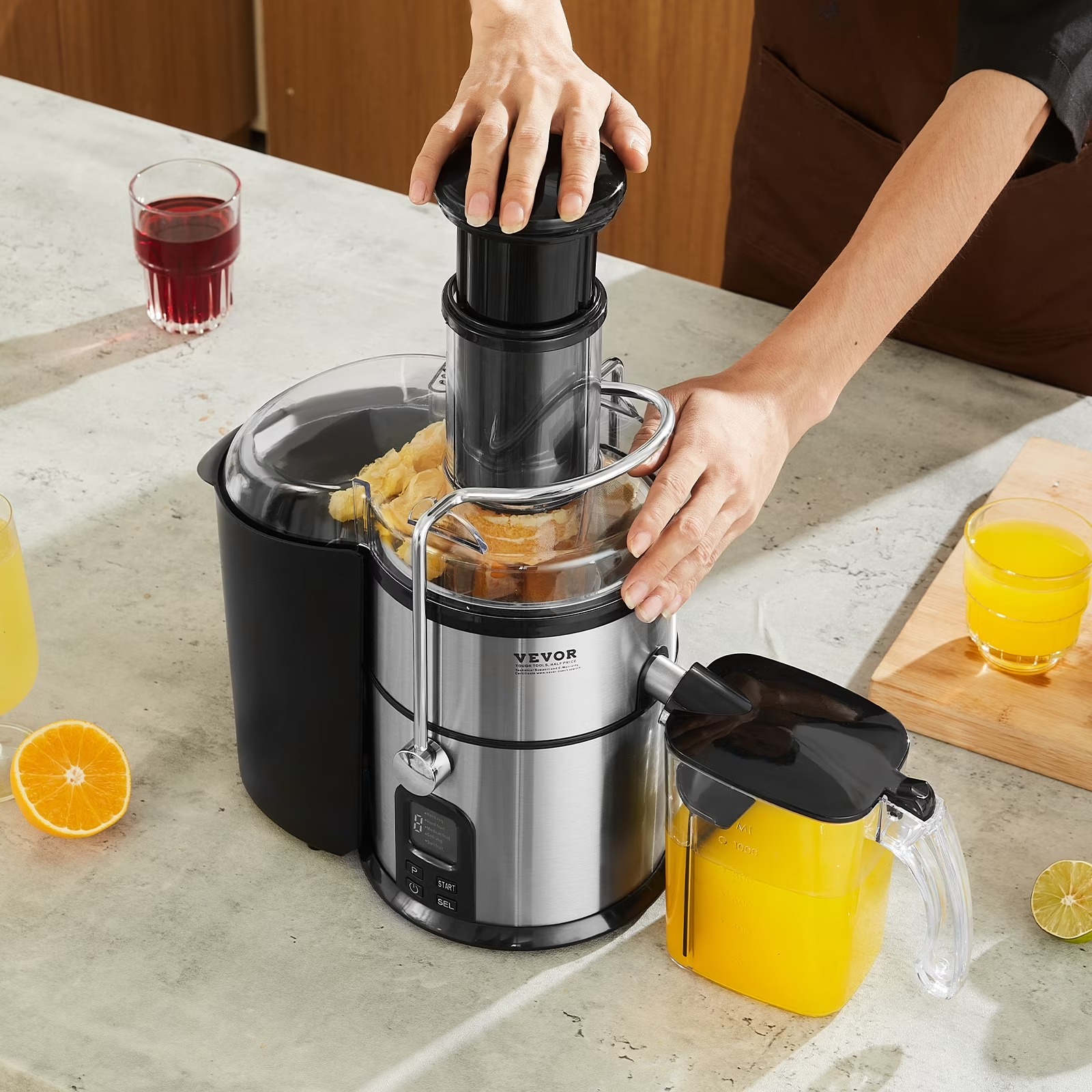
Decoding the Juicer Machine Price: What Influences the Cost?
When you look at a juicer machine price, you’re not just paying for a gadget; you’re investing in a complex piece of engineering. Several critical factors contribute to this cost, making some models significantly more expensive than others. Understanding these elements is crucial for evaluating value.
Types of Juicers: A Spectrum of Technology and Price
The fundamental type of juicer you choose will be the biggest determinant of its cost.
Centrifugal Juicers: Speed and Affordability
These are often the entry point for many juicing enthusiasts, with a typical juicer machine price ranging from $40 to $150, sometimes up to $200. Centrifugal juicers operate by shredding produce with a flat blade disc at high speeds (often 6,000-14,000 RPM) and then spinning the pulp against a mesh filter to separate the juice. They are fast and generally more affordable, making them great for beginners or those who juice occasionally. However, the high speed can introduce heat and air, leading to quicker oxidation and potentially less nutrient retention. They also tend to be louder and less efficient with leafy greens.
Masticating (Slow/Cold Press) Juicers: Quality and Investment
Masticating juicers, often referred to as slow juicers or cold press juicers, gently crush and squeeze produce at much lower speeds (typically 40-100 RPM). This method minimizes heat and oxidation, resulting in a higher yield of nutrient-dense juice that stays fresh longer. The juicer machine price for these models generally falls between $150 and $500, with some premium models reaching $700 or more. While they are slower and can require more prep work, their superior juice quality, quieter operation, and efficiency with a wider range of produce, including leafy greens and wheatgrass, often justify the higher investment.
Triturating (Twin Gear) Juicers: The Pinnacle of Extraction
These are the most advanced and typically the most expensive, with a juicer machine price starting around $500 and easily exceeding $1000. Triturating juicers use two interlocking gears to grind and press produce, achieving the highest possible juice yield and nutrient preservation. They are often considered commercial-grade but are also available for home use. They are incredibly efficient, but their size, cleaning complexity, and initial cost are significant considerations.
Manual and Citrus Juicers: Simplicity and Specificity
For those who only need juice from citrus fruits, a manual or electric citrus press can be a simple, affordable option, often priced between $20 and $100. These are excellent for specific tasks but lack the versatility of other juicer types.
Brand Reputation and Warranty
Just like cars or electronics, the brand behind a juicer plays a significant role in its price. Established brands like Omega, Hurom, and Breville have built reputations for quality, durability, and customer support, often commanding a higher juicer machine price. They typically offer longer warranties (5-10 years or more on motors) which provide peace of mind and speak to the manufacturer’s confidence in their product. Lesser-known brands might offer more competitive pricing but can sometimes compromise on build quality or after-sales service.
Materials and Build Quality
“You get what you pay for” often holds true for juicers. Machines constructed from high-quality, durable materials like stainless steel, BPA-free plastics, and robust ceramic components will naturally have a higher juicer machine price than those made with cheaper, less durable plastics. Better materials contribute to longevity, prevent staining, and ensure safer food contact. A sturdy build also means less vibration and noise during operation.
Motor Power and Efficiency
A powerful and efficient motor is the heart of any good juicer. For centrifugal models, higher wattage (400W+) indicates better performance, especially with harder produce. For masticating juicers, while wattage might be lower (150W+), the quality of the motor is crucial for consistent, slow torque. Advanced motors are designed for quieter operation and greater longevity, contributing to the overall juicer machine price.
Features and Accessories
Modern juicers come with an array of features and accessories that can add to their cost. These might include:
- Wide feed chutes: To minimize pre-chopping.
- Multiple speed settings: For different types of produce.
- Reverse function: To prevent clogging.
- Pulp adjustment levers: For customized juice texture.
- Specialized strainers: For smoothies or sorbets.
- Auto-cleaning functions: Or design for easy disassembly and cleaning.
- Digital controls and smart technology: For enhanced user experience.
While these “bells and whistles” can enhance convenience and versatility, they invariably increase the juicer machine price. It’s essential to consider which features genuinely add value for your personal juicing habits.
Navigating the Market: Finding the Right Juicer Machine Price for You
Finding the “right” juicer machine price isn’t about finding the cheapest option; it’s about discovering the best value for your specific needs. Think about how often you’ll use it, what types of produce you’ll be juicing, and your long-term health goals.
Budget-Friendly Options (Under $100-$150)
If you’re new to juicing or have limited counter space, you can find reliable centrifugal juicers in this range. Brands like Hamilton Beach and some Costway models offer good starting points. Expect basic features, decent juice yield for most common fruits and vegetables, and a quicker juicing process. While they might be louder and less efficient with leafy greens, they’re a great way to dip your toes into the juicing world without a significant financial commitment.
Mid-Range Juicers ($150-$300)
This sweet spot offers a balance of performance, durability, and features. Here, you’ll find higher-end centrifugal juicers (like Breville’s Juice Fountain series) and entry-to-mid-level masticating juicers (from brands like Aicok or some Omega models). These machines typically offer better build quality, quieter operation, improved juice yield, and enhanced nutrient retention compared to their cheaper counterparts. They are often a solid investment for regular juicers looking for more than just the basics.
Premium Juicers ($300+)
For dedicated juicers, health enthusiasts, or those prioritizing maximum nutrient extraction and longevity, this category represents an investment. Brands like Hurom, Nama, and top-tier Omega and Green Star models dominate this space. These juicers boast superior cold-press technology, robust construction (often with stainless steel components), extended warranties, and often specialized functions for nut milks, sorbets, and more. The higher juicer machine price reflects their exceptional performance, durability, and ability to handle a wide array of ingredients with maximum efficiency.
“Don’t just look at the upfront juicer machine price,” advises Clara Jensen, a leading nutritionist and product development expert at JuiceMaster Pro. “Consider it an investment in your daily wellness. A higher quality juicer might cost more initially, but its efficiency, durability, and the nutritional benefits it provides can offer significant long-term savings and health returns.”
Maximizing Your Juicer Investment: Usage and Maintenance
Once you’ve made your purchase, proper usage and maintenance are crucial to ensure your juicer provides years of delicious, healthy benefits, justifying its juicer machine price.
- Prepare your produce: Wash fruits and vegetables thoroughly. For masticating juicers, chop larger or fibrous items into smaller pieces to prevent clogging and optimize extraction.
- Don’t overfeed: Introduce produce steadily, allowing the juicer to process ingredients without strain.
- Clean immediately: The easiest time to clean a juicer is right after use. Rinse parts under warm water to prevent pulp from drying and sticking. Many modern juicers feature easy-clean designs with fewer parts or dishwasher-safe components.
- Regular deep cleaning: Periodically, disassemble all removable parts and give them a thorough scrub with warm, soapy water and a brush (often included).
- Store properly: Ensure all parts are completely dry before reassembling or storing your juicer to prevent mold or odors.
Beyond the Price Tag: The Health Benefits of Fresh Juice
While the juicer machine price is a practical consideration, the true value lies in the unparalleled health benefits that fresh, homemade juice offers.
- Nutrient powerhouse: Juicing allows you to consume a concentrated dose of vitamins, minerals, and antioxidants that might be difficult to get from eating whole produce alone.
- Enhanced absorption: The body absorbs nutrients from juice more efficiently as the digestive system doesn’t need to break down fiber, making it an excellent way to boost your daily intake.
- Immune support: Regular juicing, especially with ingredients rich in Vitamin C and other immune-boosting compounds, can strengthen your body’s defenses.
- Increased energy and detoxification: Fresh juices provide a natural energy lift and support the body’s natural detoxification processes, helping you feel lighter and more vibrant.
- Cost-effectiveness in the long run: While there’s an initial juicer machine price, making your own juice can be significantly cheaper than buying bottled cold-pressed juices from stores, especially if you buy seasonal produce.
Delicious and Economical: Juicing Recipes for Every Budget
Making delicious, healthy juice doesn’t have to break the bank. Here are some ideas for using seasonal and affordable ingredients:
- Green Power: Spinach, cucumber, apple, a squeeze of lemon. (Affordable and packed with nutrients!)
- Immunity Boost: Carrots, oranges, ginger. (Sweet, spicy, and great for health.)
- Tropical Zest: Pineapple, cucumber, mint. (Refreshing and hydrating.)
- Beet Blast: Beets, apple, celery. (Earthy and revitalizing.)
Always look for sales on seasonal fruits and vegetables to keep your juicing costs down. Farmers’ markets are also excellent sources for fresh, local produce at competitive prices.
FAQ about Juicer Machine Price
Q1: How much does a good quality juicer machine cost?
A good quality juicer machine typically costs between $150 and $300 for mid-range models, offering a balance of performance and features. For premium models that prioritize maximum nutrient extraction and durability, the price can range from $300 to over $1000.
Q2: Are expensive juicers worth the investment?
For serious juicers or those prioritizing the highest nutrient retention and juice yield, expensive masticating or twin-gear juicers are often worth the investment. They tend to be more durable, quieter, more efficient with a wider range of produce, and produce juice that stays fresh longer, offering long-term health and financial benefits compared to store-bought options.
Q3: What’s the cheapest type of juicer?
Centrifugal juicers are generally the cheapest electric juicer type, with prices often starting around $40-$100. Manual citrus presses are even more affordable, often under $50, but are limited to citrus fruits.
Q4: Can I find a reliable juicer for under $100?
Yes, you can find reliable centrifugal juicers for under $100, especially from brands like Hamilton Beach. While they may have basic features and be less efficient with leafy greens, they are a good starting point for casual juicers.
Q5: Does brand really affect juicer machine price?
Absolutely. Reputable brands with a history of quality, advanced technology, and excellent customer service (including generous warranties) often have a higher juicer machine price. This premium typically reflects superior materials, motor quality, and innovative design.
Your Health, Your Choice: Investing in a Juicer Machine
Ultimately, the journey to finding the perfect juicer machine price is a personal one. It involves balancing your budget with your health aspirations, understanding the different technologies available, and recognizing the long-term value of a quality appliance. Whether you opt for an affordable centrifugal model to kickstart your juicing habit or invest in a premium cold-press juicer for ultimate nutrient extraction, JuiceMaster Pro is here to guide you. Embrace the vibrant world of fresh juice – your body and your taste buds will thank you for making such a healthy choice.