Many of us crave the ultimate convenience in our kitchen gadgets, and the idea of a “Keurig Juicer Machine” often sparks the imagination. Imagine the ease: pop in a pre-portioned pod, press a button, and voilà, a perfectly fresh glass of juice. While Keurig has revolutionized morning routines with its single-serve coffee makers, the landscape of juicing presents a different challenge and, often, a different kind of reward. As JuiceMaster Pro, we’re here to navigate this exciting world, guiding you toward genuinely innovative juicing solutions that prioritize health, taste, and user experience.
The “Keurig of Juice” Myth Debunked: Where Does Keurig Stand in Juicing?
Let’s cut right to the chase: if you’re searching for a Keurig-branded juicer machine that works with fruit and vegetable pods, you won’t find one. Keurig, the brand synonymous with effortless single-serve coffee and tea, has not entered the traditional juicing market. Their ventures into cold beverages included the short-lived Keurig Kold system, which produced carbonated sodas and flavored drinks from pods, not fresh fruit and vegetable juices.
The term “Keurig for juice” gained significant traction around 2016, largely associated with a startup called Juicero. This company launched a highly publicized, premium cold-pressed juicing system that promised farm-fresh, organic juice from proprietary pre-packaged produce pouches. The device, costing upwards of $700, aimed to bring unparalleled convenience to health-conscious consumers. However, its technology faced scrutiny when it was revealed that the juice packs could be squeezed by hand, rendering the expensive machine somewhat superfluous. Juicero eventually ceased operations, highlighting the complexities of bringing such a specific “Keurig-style” model to the fresh juice market. Other similar concepts, like Nutralux, also emerged but didn’t achieve widespread success.
“The dream of a Keurig-style juicer — one that offers ultimate convenience without compromising on freshness or nutrition — remains a powerful aspiration,” explains Dr. Elara Vance, a leading nutritionist and food tech analyst. “But the reality of processing fresh produce differs significantly from brewing coffee, making true ‘pod-based’ juicing with superior results a formidable engineering challenge.”
Decoding Juicer Machine Types for the Modern Home
While the “Keurig juicer machine” may be a concept more than a reality, the world of juicers offers diverse options for every lifestyle. Understanding the different types is crucial for finding your perfect match, ensuring you get the most out of your fresh produce.
Centrifugal Juicers: Speed and Simplicity
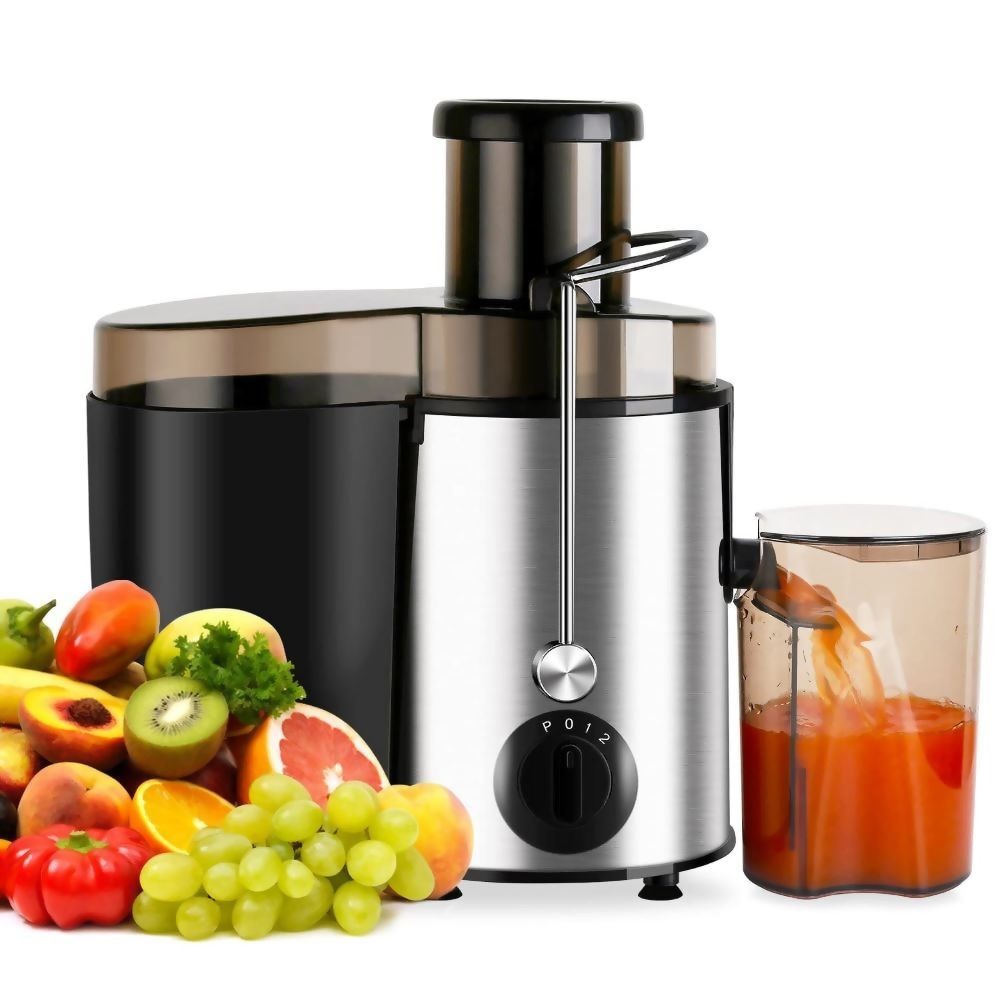
What are centrifugal juicers? These are typically the most common and often the most affordable type of juicer. They work by using a fast-spinning blade that grates fruits and vegetables, then rapidly spinning the pulp against a mesh filter to separate the juice.
How do they work? Produce is pushed down a wide chute onto a flat cutting blade that spins at high speeds (often 6,000 to 15,000 RPM). This action grates the produce, and the centrifugal force then flings the pulp against a sieve, extracting the juice.
Pros:
- Speed: Centrifugal juicers are incredibly fast, yielding a glass of juice in mere seconds.
- Cost-Effective: Generally, they are less expensive than masticating juicers, making them a great entry-level option.
- Wide Feed Chute: Many models feature wide chutes, reducing the need for extensive pre-cutting of ingredients.
Cons:
- Heat and Oxidation: The high-speed spinning generates heat and incorporates more air, which can lead to oxidation. This may degrade some heat-sensitive nutrients and enzymes, and the juice tends to have a foamy top.
- Wet Pulp: They often leave behind wetter pulp, indicating less efficient juice extraction.
- Noise: Centrifugal juicers can be quite loud due to their powerful, fast-spinning motors.
- Less Effective for Leafy Greens: They tend to struggle with leafy greens and wheatgrass, producing less juice from these fibrous ingredients.
Masticating (Slow) Juicers: Nutrient Powerhouses
What are masticating juicers? Also known as slow juicers or cold press juicers, these machines operate at much slower speeds, mimicking the chewing process to extract juice.
How do they work? A single or twin auger (screw-like gear) slowly crushes and presses fruits and vegetables against a screen. This gentle, low-speed process (typically 40 to 100 RPM) “chews” the produce, extracting juice without generating significant heat or excessive oxidation.
Pros:
- Superior Nutrient Retention: The slow, cold-press method preserves more vitamins, minerals, and enzymes, as there’s minimal heat and oxidation.
- Higher Juice Yield: Masticating juicers are highly efficient, extracting more juice and leaving behind very dry pulp.
- Excellent for All Produce: They excel at juicing a wide variety of ingredients, including leafy greens, herbs, wheatgrass, and soft fruits, which centrifugal juicers often struggle with.
- Less Foam: The slower process results in less foam, yielding a smoother, richer juice.
- Quieter Operation: Masticating juicers are significantly quieter than their centrifugal counterparts, making early morning juicing more pleasant.
- Versatility: Many models come with attachments for making nut butter, sorbets, baby food, pasta, and grinding spices.
Cons:
- Slower Juicing Process: The trade-off for higher quality is speed; juicing takes longer.
- Higher Cost: Masticating juicers are typically more expensive, reflecting their advanced technology and efficiency.
- More Prep Work: Often require ingredients to be cut into smaller pieces due to narrower feed chutes.
The JuiceMaster Pro Philosophy: Elevating Your Juicing Experience
At JuiceMaster Pro, we believe the ideal juicer machine seamlessly blends robust performance with intuitive design. Whether it’s a powerful centrifugal model built for speed or a meticulous masticating juicer for maximum nutrient preservation, our focus is on delivering durability, efficiency, and ease of use. We aim to equip every home with a tool that inspires a healthier lifestyle, making the joy of fresh juice an accessible daily ritual.
Mastering Your Juicer: Usage and Care for Longevity
To ensure your juicer machine, particularly a JuiceMaster Pro, consistently delivers peak performance and stays a pristine part of your kitchen, proper usage and diligent care are paramount.
Preparing Your Produce
Before you even turn on your juicer, good preparation is key. Always wash fruits and vegetables thoroughly, even organic ones, to remove dirt, pesticides, or waxes. For most juicers, especially masticating models, it’s advisable to cut produce into smaller, manageable pieces to prevent clogging and optimize extraction. Remove large pits from fruits like peaches or avocados, and tough peels from citrus fruits (though a bit of citrus peel can add flavor and nutrients).
Operating Your Machine Like a Pro
- Read the Manual: This sounds basic, but every juicer has specific quirks. Familiarize yourself with your model’s unique features, safety locks, and recommended settings.
- Don’t Overload: Feed produce gradually. Pushing too much through at once can strain the motor and reduce efficiency.
- Alternate Ingredients: When juicing a mix of soft and hard ingredients (e.g., spinach and carrots), alternate them. The harder items can help push the softer, pulpy ingredients through more effectively.
- Use the Pusher: Always use the designated food pusher to guide ingredients into the chute, never your fingers or other utensils.
Cleaning and Maintenance Tips
Consistent cleaning is the secret to a long-lasting, hygienic juicer. The quicker you clean it after use, the easier it will be.
- Immediate Rinse: As soon as you’ve finished juicing, disassemble the machine and rinse all removable parts under warm running water. This prevents pulp from drying and sticking, which makes cleaning much harder.
- Use the Brush: Most juicers come with a specialized cleaning brush, particularly useful for scrubbing the mesh screen of centrifugal juicers or the auger of masticating juicers.
- Dishwasher Safe Parts: Many modern juicers, including JuiceMaster Pro models, feature dishwasher-safe components, making cleanup a breeze. Always check your manual to confirm which parts can go into the dishwasher.
- Deep Clean Occasionally: Periodically, give your juicer a deeper clean using warm, soapy water. For stubborn stains or mineral buildup, a mixture of vinegar and water can work wonders.
- Dry Thoroughly: Ensure all parts are completely dry before reassembling or storing to prevent mold or mildew growth.
- Proper Storage: Store your juicer in a cool, dry place. If counter space is a premium, look for models with compact designs or easy disassembly for cabinet storage.
Key Considerations When Choosing Your Perfect Juicer
Selecting the right juicer machine is a personal journey. As experts at JuiceMaster Pro, we guide you through the essential factors to consider, ensuring your choice aligns perfectly with your lifestyle and juicing aspirations.
Budget: An Investment in Health
Juicers range widely in price, from entry-level centrifugal models under $100 to high-end masticating and hydraulic press machines costing several hundred dollars or more. Consider how often you plan to juice and what features are most important to you. Think of a juicer not just as an appliance, but as an investment in your health and well-being.
Type of Produce: Tailoring to Your Tastes
Are you primarily a leafy green enthusiast, enjoying nutrient-dense kale and spinach juices? Or do you lean towards harder fruits like apples and carrots, perhaps with some soft berries?
- Leafy Greens & Wheatgrass: Masticating juicers are king here, efficiently extracting juice from fibrous produce with minimal waste.
- Hard Fruits & Vegetables: Both centrifugal and masticating juicers handle these well, though masticating models will yield more juice and maintain more nutrients.
- Soft Fruits: Masticating juicers generally perform better with soft fruits, preventing them from turning into a pulpy mess.
Ease of Cleaning: A Daily Consideration
This is often overlooked but crucial for consistent juicing. If a juicer is a hassle to clean, it will likely gather dust. Look for:
- Fewer Parts: Fewer components mean less to wash.
- Dishwasher-Safe Components: A significant time-saver.
- Included Cleaning Tools: Brushes designed for the juicer’s specific parts make a big difference.
Noise Level: Preserve the Peace
For early risers or those in shared living spaces, a quiet juicer is invaluable.
- Masticating Juicers: These are generally much quieter, operating with a gentle hum.
- Centrifugal Juicers: Expect a louder, motor-driven whir.
Countertop Footprint: Space Efficiency
Juicers can vary significantly in size. Measure your available counter and storage space before purchasing. Compact models are perfect for smaller kitchens.
Brand Reputation and Warranty: Trust and Support
Opt for brands known for quality, durability, and excellent customer service. A good warranty (some masticating juicers offer 10-15 years on motors) reflects a manufacturer’s confidence in their product. At JuiceMaster Pro, our commitment to innovation, user experience, and lasting quality ensures you’re choosing a leader in juicing technology.
The Golden Elixir: Nutritional Value and Health Benefits of Fresh Juices
Juicing isn’t just a trend; it’s a powerful way to inject concentrated nutrition into your diet. Freshly pressed juices are brimming with essential vitamins, minerals, and antioxidants, offering a cascade of benefits for your body.
“Incorporating fresh juices into your daily routine is like giving your body a direct infusion of vitality,” states Dr. Elara Vance. “They’re a fantastic way to consume a significant amount of fruits and vegetables that you might otherwise struggle to eat in a day, promoting everything from cellular health to improved energy levels.”
A Concentrated Dose of Nutrients
When you juice, you remove the insoluble fiber, allowing your body to absorb vitamins, minerals, and phytonutrients more rapidly and efficiently. This can include:
- Vitamin C: For immune support and skin health.
- Vitamin K: Important for blood clotting and bone health.
- Folate: Essential for cell growth and function.
- Potassium: Crucial for blood pressure regulation and muscle function.
- Antioxidants: Combat free radicals, reducing oxidative stress and inflammation.
Boosted Immunity
The high concentration of vitamins and antioxidants, particularly Vitamin C, in fresh juices can significantly strengthen your immune system, helping your body ward off illnesses.
Improved Digestion and Detoxification
While juicing removes insoluble fiber, it retains soluble fiber, which can aid digestion. Furthermore, many juice ingredients (like leafy greens and citrus) support the body’s natural detoxification pathways, helping to cleanse vital organs.
Enhanced Energy Levels
Unlike sugary processed drinks, fresh juices provide natural sugars and a wealth of nutrients that can offer a sustained energy boost without the crash often associated with caffeine or artificial stimulants.
Hydration Hero
Many fruits and vegetables have high water content, contributing to your daily hydration needs, which is vital for every bodily function.
A Delicious Way to Meet Your Daily Intake
For many, consuming the recommended daily servings of fruits and vegetables can be a chore. Juicing transforms this into a delightful experience, making it easier to integrate a diverse array of produce into your diet.
Crafting Your Signature Sips: Delicious Juice Recipes and Combinations
With your JuiceMaster Pro, the possibilities for creative and delicious concoctions are endless. Here are some ideas to get you started, focusing on balancing flavor and nutritional impact.
The Evergreen Elixir (Green Juice)
- Ingredients: 1 cup kale, 1 cup spinach, 1 green apple (cored), 1/2 cucumber, 1-inch piece of ginger (peeled), 1/2 lemon (peeled).
- Benefits: A powerhouse of vitamins A, C, and K, excellent for detoxification and energy.
Tropical Sunshine (Citrus Blast)
- Ingredients: 2 oranges (peeled), 1 grapefruit (peeled), 1/2 pineapple (peeled and cored), 1 small piece of turmeric (peeled).
- Benefits: High in Vitamin C, anti-inflammatory, and a vibrant immunity booster.
Earth’s Sweetness (Root Veggie Power)
- Ingredients: 3 carrots, 1 medium beet (peeled), 1 red apple (cored), 1 celery stalk.
- Benefits: Rich in antioxidants, supports liver health, and provides natural sweetness.
Berry Bliss (Antioxidant Boost)
- Ingredients: 1 cup mixed berries (strawberries, blueberries, raspberries), 1/2 red apple (cored), 1/4 cup water (optional, for thinner consistency).
- Benefits: Packed with antioxidants, great for skin health and reducing inflammation.
Get Creative!
- Seasonal Delights: Experiment with seasonal produce for the freshest flavors and best value.
- Herbal Infusions: Add a sprig of mint, parsley, or cilantro for unique flavor profiles and additional health benefits.
- Spice It Up: A pinch of cayenne pepper can add a metabolic boost, while cinnamon offers warmth and blood sugar regulation.
- Water or Coconut Water: If your juice is too concentrated, a splash of filtered water or coconut water can help achieve the perfect consistency and add electrolytes.
Frequently Asked Questions About Juicer Machines
Can Keurig make juice?
No, Keurig primarily makes single-serve coffee and hot beverages. While they did have a cold beverage system (Keurig Kold), it produced carbonated drinks, not fresh fruit and vegetable juices. The idea of a “Keurig juicer” typically refers to concepts like the now-defunct Juicero system, which was not a Keurig brand.
What’s the main difference between a juicer and a blender?
A juicer extracts the liquid from fruits and vegetables, separating the pulp (fiber). The result is a thin, concentrated beverage. A blender pulverizes whole fruits and vegetables, retaining all the fiber, creating a thicker smoothie or purée.
Are slow (masticating) juicers really better for nutrition?
Generally, yes. Slow juicers operate at lower speeds, generating less heat and minimizing oxidation. This process helps to preserve more heat-sensitive vitamins, enzymes, and antioxidants, yielding a more nutrient-dense juice with less foam.
How often should I clean my juicer?
It’s best to clean your juicer immediately after every use. Rinsing parts promptly prevents pulp from drying and sticking, making the cleaning process much quicker and easier. For a deeper clean, wash with warm, soapy water regularly.
Can I juice frozen fruit?
It is highly recommended not to use frozen fruits or vegetables in most juicer machines. Frozen items are too hard and can damage the juicer’s motor or blades. Always thaw frozen produce completely before juicing. However, some specialized “bluicer” machines (blender and juicer combos) might handle certain frozen items, but they typically blend rather than juice them.
The JuiceMaster Pro Journey: Freshness, Innovation, and You
While the dream of a “Keurig juicer machine” with instant, pod-based fresh juice remains largely in the realm of aspiration, the journey to exceptional home juicing is more vibrant and accessible than ever. At JuiceMaster Pro, we are dedicated to pushing the boundaries of juicer technology, ensuring our products deliver not just convenience, but unparalleled quality in every glass. We champion the rich, health-boosting potential of fresh juices and are committed to making this vital part of a healthy lifestyle effortless and enjoyable.
Step into the world of JuiceMaster Pro and experience the difference that cutting-edge technology, user-centric design, and a passion for well-being can make. Discover your perfect juicer, unleash your inner juice artist, and embrace a fresher, healthier you. Share your favorite creations and join our community of fresh juice enthusiasts – because with JuiceMaster Pro, every drop counts.