Are you ready to unlock a world of concentrated nutrition and invigorating flavors? A Vegetable Juicer Machine is more than just a kitchen gadget; it’s a gateway to enhancing your health, boosting your energy, and effortlessly incorporating more essential vitamins and minerals into your daily routine. Whether you’re a seasoned juicing enthusiast or just beginning your journey to a healthier lifestyle, understanding the nuances of these incredible appliances is the first step toward making the perfect choice for your needs.
The Rise of the Vegetable Juicer Machine: Why Juicing?
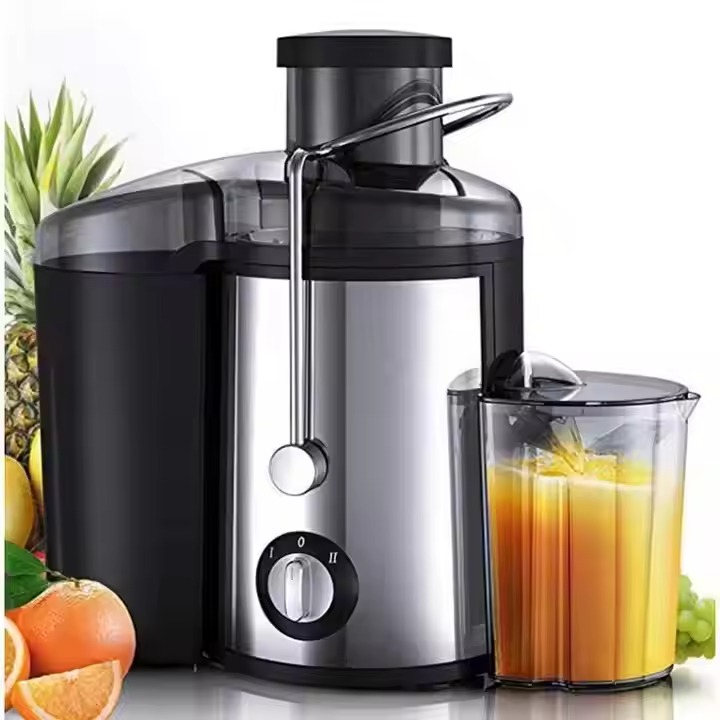
In today’s fast-paced world, consistently consuming the recommended daily servings of vegetables can be a challenge. This is where the vegetable juicer machine steps in, offering a convenient and enjoyable solution. Juicing extracts the liquid and vital nutrients from fresh produce, leaving behind the pulp. This process allows your body to absorb vitamins and minerals more quickly and efficiently, providing a concentrated dose of goodness that might otherwise be difficult to achieve through eating whole vegetables alone.
The benefits of drinking vegetable juice are extensive and impactful. Fresh vegetable juices are rich in essential vitamins like A, B, C, and E, which are crucial for supporting your immune system and maintaining healthy energy levels. They also pack a punch of vital minerals such as iron, magnesium, calcium, and zinc, all playing key roles in bodily functions from concentration to muscle health and immunity. Furthermore, vegetable juices are abundant in antioxidants, which are vital for protecting your cells and tissues from damage caused by free radicals. Many find that incorporating vegetable juices into their diet helps in replacing less healthy habits, providing a natural energy boost, and supporting overall brain function.
Understanding Your Options: Types of Vegetable Juicer Machines
Choosing the right vegetable juicer machine can seem daunting with the variety available. Each type operates differently, offering distinct advantages for various juicing preferences and produce types.
Centrifugal Juicers
Often referred to as “speed juicers,” centrifugal machines work by rapidly shredding fruits and vegetables with a high-speed blade. The shredded produce is then spun at high speeds, using centrifugal force to separate the juice from the pulp through a mesh strainer.
- Pros: They are generally faster and more affordable, making them a good entry point for beginners or those on a budget. They are effective at juicing harder fruits and vegetables.
- Cons: The high speed generates heat, which can potentially degrade some heat-sensitive nutrients and lead to quicker oxidation of the juice. They are also less efficient with leafy greens and tend to produce more foam.
Masticating Juicers (Slow Juicers/Cold Press Juicers)
Masticating juicers, also known as slow juicers or cold press juicers, operate at a much slower speed. They use an auger (or gear) to crush and press fruits and vegetables, mimicking a chewing motion to extract juice. This slower process minimizes heat buildup and oxidation.
- Pros: These machines are excellent at extracting juice from a wide range of produce, particularly leafy greens and fibrous vegetables, yielding a higher quality, more nutrient-dense juice with a longer shelf life. The pulp is typically drier, indicating efficient extraction, and they operate much quieter than centrifugal models.
- Cons: Masticating juicers are generally more expensive and slower in operation, requiring more time for juicing, especially for larger quantities. Some models may also have smaller feed chutes, necessitating more prep work (chopping).
Twin Gear Juicers (Triturating Juicers)
Considered the “professional” choice, twin gear juicers utilize two interlocking gears that grind and press produce with incredible force. This method results in the highest juice yield and nutrient extraction among all types.
- Pros: They are the most efficient at extracting nutrients, producing very dry pulp and highly concentrated, vibrant juice. They are exceptional for all types of produce, including wheatgrass and fine leafy greens.
- Cons: Twin gear juicers are the most expensive, often bulky, and can be more complex to assemble and clean.
Making the Right Choice: Key Features to Look for in a Vegetable Juicer
Selecting the ideal vegetable juicer machine requires considering several factors that align with your lifestyle and juicing habits.
- Type of Produce You’ll Juice: If leafy greens and wheatgrass are your priority, a masticating or twin gear juicer is superior. For hard fruits and vegetables, a centrifugal juicer can be efficient.
- Juice Yield and Quality: Masticating and twin gear juicers generally offer higher juice yields and preserve more nutrients due to less oxidation. Drier pulp is a good indicator of efficient extraction.
- Ease of Use and Cleaning: A juicer that’s difficult to assemble or clean is more likely to end up collecting dust. Look for models with fewer parts, dishwasher-safe components, and easy-to-access nooks and crannies. Some cold press juicers, like the Hamilton Beach Masticating Slow Juicer, are praised for their easy assembly and dishwasher-safe parts.
- Noise Level: Masticating and twin gear juicers are notably quieter than centrifugal models, a significant factor if you plan to juice early in the morning or in a shared living space. The Omega Vertical Masticating Juicer, for example, is highlighted for its quiet operation.
- Size and Footprint: Consider your kitchen counter and storage space. Vertical masticating juicers typically have a smaller footprint compared to horizontal models. Compact options like the Dash Deluxe Compact Masticating Slow Juicer are excellent for limited space.
- Feed Chute Size: A wider feed chute means less pre-chopping of ingredients, saving you time and effort.
- Motor Power and Durability: A robust motor indicates a more durable machine capable of handling tough produce. Investing in a higher-priced model often correlates with better performance and longevity.
Getting Started: How to Use Your Vegetable Juicer Machine Effectively
Once you’ve chosen your vegetable juicer machine, using it effectively will ensure you get the most out of your investment.
- Preparation is Key: Wash all your fruits and vegetables thoroughly. For most juicers, especially those with narrower chutes, you’ll need to chop produce into manageable pieces. Remove large seeds, pits, and tough skins (like pineapple or melon rinds).
- Feed Gradually: Don’t overload your juicer. Feed ingredients slowly, allowing the machine to process them effectively. This prevents clogging and ensures maximum juice extraction.
- Alternate Hard and Soft Ingredients: For optimal results, alternate between harder vegetables (like carrots or beets) and softer, leafy greens (like kale or spinach). Harder produce can help push through softer, more fibrous items.
- Use a Plunger (if provided): A food pusher helps guide ingredients down the chute safely and efficiently. Never use your fingers or other utensils.
- Collect and Enjoy: Have your juice container ready to catch the fresh liquid. Drink your juice immediately to enjoy the freshest taste and highest nutrient content.
Keeping It Pristine: Essential Maintenance and Cleaning Tips
Proper cleaning and maintenance are crucial for extending the life of your vegetable juicer machine and ensuring hygienic operation.
- Clean Immediately: The golden rule of juicing is to clean your machine as soon as possible after use. Dried pulp and juice residue can be incredibly difficult to remove and can harbor bacteria.
- Disassemble Carefully: Most juicers are designed for easy disassembly. Follow your manual’s instructions to take apart all removable components.
- Wash with Warm Soapy Water: Use warm, soapy water and a soft brush (many juicers come with specialized cleaning brushes) to scrub away any pulp from the screen, auger, and other parts. Pay special attention to mesh filters where fibers tend to accumulate.
- Dishwasher Safe Parts: Check your juicer’s manual to see which parts are dishwasher safe. Many models have components that can go on the top rack of your dishwasher.
- Air Dry Thoroughly: Ensure all parts are completely dry before reassembling or storing to prevent mold or mildew growth.
Beyond the Machine: The Nutritional Power and Health Benefits of Vegetable Juices
Beyond just convenience, vegetable juices offer a significant boost to your nutritional intake, contributing to overall well-being.
- Vitamin and Mineral Powerhouse: Vegetable juices are concentrated sources of essential vitamins (A, C, K, B vitamins, folate) and minerals (potassium, calcium, iron, magnesium). These nutrients support everything from bone health and immune function to nerve function and energy production.
- Rich in Antioxidants: The vibrant colors of vegetables indicate a wealth of antioxidants, which combat oxidative stress and inflammation in the body, potentially reducing the risk of chronic diseases.
- Enhanced Absorption: Because the fiber is removed during juicing, some proponents suggest that the body can absorb nutrients more readily.
- Improved Digestion and Detoxification: Fresh vegetable juices can support healthy digestion and assist the body’s natural detoxification processes, leading to feelings of increased energy and vitality.
- Heart Health: Certain vegetable juices, like those made with beetroot, are rich in nitrates that can help widen blood vessels, improve blood flow, and potentially lower blood pressure.
- Cognitive Support: Increasing your intake of vegetables, especially leafy greens and colorful varieties often found in juices, is linked to improved brain health and can help slow cognitive decline.
“Drinking fresh, organic vegetable juice is like giving your body a direct infusion of nature’s finest medicine,” says Dr. Elena Petrova, a renowned nutritionist and wellness consultant. “It’s an incredibly effective way to ensure you’re getting a broad spectrum of micronutrients that are often missed in a standard diet, leading to noticeable improvements in energy, immunity, and overall vitality.”
Taste the Rainbow: Delicious Vegetable Juicer Recipes and Ingredient Pairings
The possibilities for delicious and nutritious vegetable juices are endless! Here are some ideas to get you started:
- Green Detox: Kale, spinach, cucumber, celery, green apple, ginger, and a squeeze of lemon.
- Energizing Root Blend: Carrots, beet, ginger, orange, and a hint of turmeric.
- Immune Booster: Red bell pepper, carrot, orange, and a touch of cayenne pepper.
- Hydrating Refresher: Cucumber, mint, green apple, and lime.
Tips for Best Flavor:
- Balance Flavors: Combine sweet fruits (like apples or pears) sparingly with earthy vegetables to create palatable juices.
- Add a Kick: Ginger, lemon, or lime can brighten flavors and add an extra health boost.
- Experiment: Don’t be afraid to try new combinations! What might seem unusual could be your next favorite blend.
- Start Simple: Begin with familiar vegetables and gradually introduce more potent ones as your palate adjusts.
Frequently Asked Questions About Vegetable Juicer Machines
Q: Is juicing healthier than eating whole vegetables?
A: While juicing provides a concentrated dose of vitamins and minerals and can aid in quick absorption, it removes the beneficial fiber found in whole vegetables. Fiber is crucial for digestive health, satiety, and blood sugar regulation. Juicing should complement, not entirely replace, eating whole fruits and vegetables.
Q: Can I put anything in my vegetable juicer machine?
A: Most juicers handle a wide array of fruits and vegetables. However, avoid very hard items like coconut shells or fruit pits, as they can damage the machine. Also, extremely soft or starchy items like bananas or avocados are better suited for blenders, as juicers will yield very little liquid from them.
Q: How much juice should I drink daily?
A: For daily nutritional supplementation, 1-2 glasses of vegetable juice are generally sufficient. During a juice cleanse or detox, intake might increase to 5-6 juices per day, spread throughout the day. Always prioritize cold-pressed, vegetable-rich juices with minimal added sugars or excessive fruit.
Q: Why is my juicer pulp still wet?
A: Wet pulp indicates that the juicer is not extracting all the liquid efficiently. This can happen with centrifugal juicers when processing leafy greens or very soft produce. Masticating and twin gear juicers are designed to produce much drier pulp due to their slow, powerful crushing action. If your masticating juicer has wet pulp, try feeding ingredients slower or alternating with harder produce.
Q: What’s the difference between juicing and blending?
A: Juicing extracts only the liquid, leaving behind the pulp and fiber. Blending, on the other hand, pulverizes whole fruits and vegetables (including the skin and pulp) into a thicker smoothie, retaining all the fiber. Both methods have their benefits, with juicing offering rapid nutrient absorption and blending providing a good source of dietary fiber.
Your Journey to Better Health Starts Here
A vegetable juicer machine is a powerful ally in your pursuit of a healthier lifestyle. It offers an effective, delicious, and engaging way to boost your daily intake of essential nutrients, enhance your energy, and support your overall well-being. As a strategic advisor for JuiceMaster Pro, I firmly believe that the right vegetable juicer machine empowers you to take control of your health, one vibrant glass at a time. So, explore the options, choose the machine that speaks to you, and embrace the incredible world of fresh, homemade vegetable juices. Your body will thank you for it!